What are the primary advantages of harmonic reducers?
Discover key advantages of harmonic reducers: zero backlash, high reduction ratio, compact size, lightweight, and high precision. Ideal for robotics, CNC, semiconductor, and solar tracking systems.
 April 01, 2026
 > What are the primary advantages of harmonic reducers?
 Quick Answer
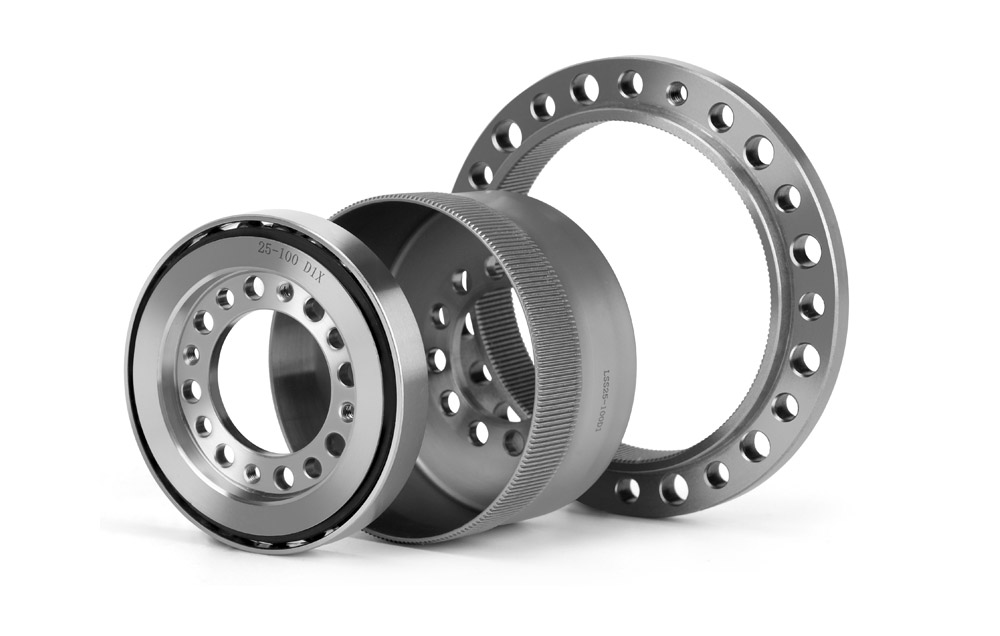
The primary advantages of harmonic reducers (also known as harmonic drives) include ultra high precision with minimal to zero backlash, a highly compact and lightweight footprint, and the ability to achieve massive gear reduction ratios in a single stage.
These unique mechanical benefits make them indispensable for motion control applications that need repeatable positioning, such as industrial robotics, CNC machining, and semiconductor manufacturing.
Designing a reliable motion control system often means dealing with difficult compromises. You typically have to choose between high torque output, a compact physical size, or pinpoint positioning accuracy. Standard gearboxes usually struggle to deliver all three at the same time.
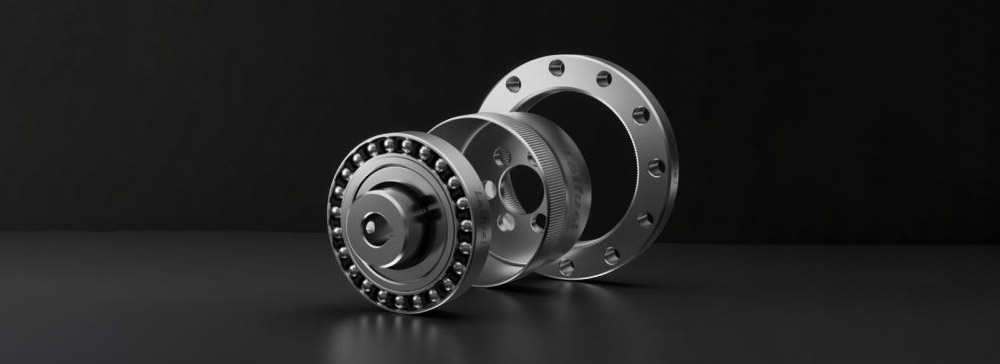
This is exactly where harmonic reducers step in to solve the problem. Instead of using standard interlocking rigid gears, they rely on a flexible spline that deforms slightly to pass motion. It might sound unconventional at first glance. However, this strain wave gearing design brings some massive mechanical advantages to the table that traditional gears simply cannot match.
Breaking Down the Core Advantages
So why do engineers specifically spec out harmonic drives for high precision projects? It comes down to how the mechanics operate under the hood.
Zero Backlash for Extreme Precision
In a standard gear setup, only a few teeth are engaged at any given time. This creates a tiny bit of play or clearance known as backlash. Harmonic reducers work differently.
A large percentage of their gear teeth are engaged simultaneously. This design effectively eliminates backlash. When you tell the motor to stop, the load stops exactly where it should without any wobble or delayed movement.
Huge Reduction Ratios in One Stage
If you need a high reduction ratio using planetary gears, you usually have to stack multiple gear stages together. That adds bulk, weight, and mechanical complexity. Harmonic reducers can easily achieve ratios from 30:1 up to 320:1 in a single stage. You get a huge amount of torque multiplication without taking up extra space on the machine frame.
Incredibly Compact and Lightweight
Because you do not need multiple stages to get high reduction, the overall footprint of the drive is remarkably small. This is a lifesaver for mechanical engineers trying to fit powerful drive systems into tight spaces.
Where Do We Actually Use Them?
Looking at the specs on paper is one thing. Seeing how these advantages solve real world engineering problems is another. Here are a few areas where this technology is doing the heavy lifting.
Robotic Joints
If you look at the joints of an industrial robot arm, space is highly restricted. You need a drive that is light enough so the robot is not just lifting its own weight, but powerful enough to handle a heavy payload. The zero backlash feature is what allows a welding robot to return to the exact same millimeter coordinate thousands of times a day without drifting.
CNC and Semiconductor Equipment
In semiconductor cleanrooms, equipment is handling fragile silicon wafers where being off by a micrometer is unacceptable. The smooth and highly predictable motion of harmonic drives prevents positioning errors. The same logic applies to CNC machining centers. The rotary tables rely on this stiff transmission to hold parts still while cutting tools do their work.
Solar Tracking and Renewable Energy
Durability and high torque are just as important outside the factory. Solar panel tracking systems use these reducers to slowly and precisely tilt heavy solar arrays to follow the sun. The gearing needs to be compact but strong enough to hold the panels steady against heavy wind loads.
Common Questions from the Field
Why not just use a planetary gear?
Planetary gears are fantastic for high speed and high shock load applications. However, if your design prioritizes absolute positioning accuracy, zero backlash, and keeping the weight down, harmonic gearing is almost always the better engineering choice.
Is the maintenance complicated?
Not necessarily complicated, but it is specific. Because the flexible spline is constantly deforming by design, these reducers rely on specialized grease to prevent metal fatigue and wear. Using the exact lubrication specified by the manufacturer is the key to a long service life.
Final Thoughts
Finding the right gearing solution is all about matching the mechanics to your specific project constraints. If your design demands absolute accuracy without the bulk of a multi stage gearbox, harmonic gearing is likely the best route to take.
For engineering teams ready to integrate these systems, working directly with a specialized manufacturer makes the design process much smoother. You can visit Laifual Drive to see how modern harmonic solutions can be tailored to fit your next precision motion control project.