


DC Low Voltage Joint Module
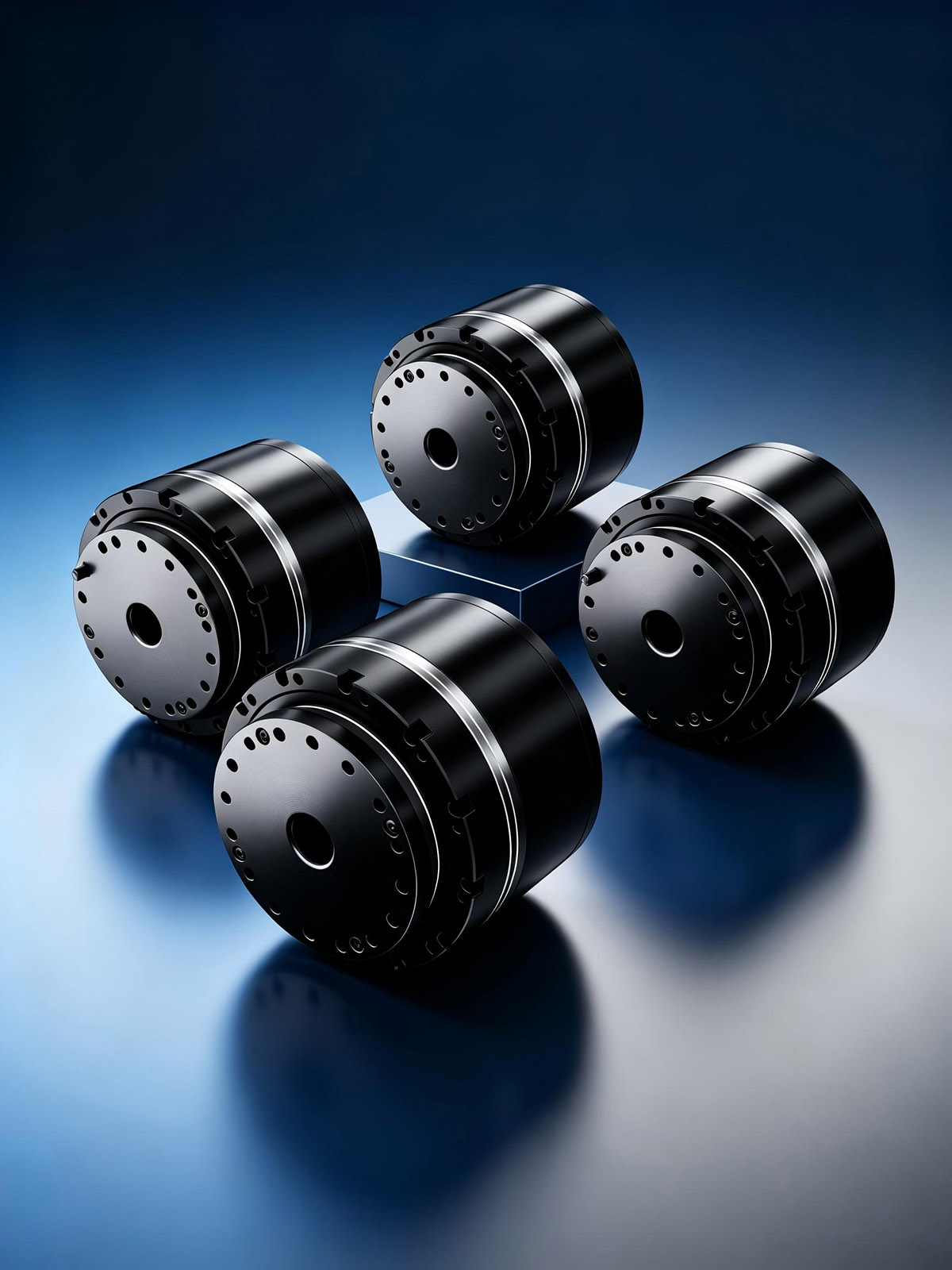
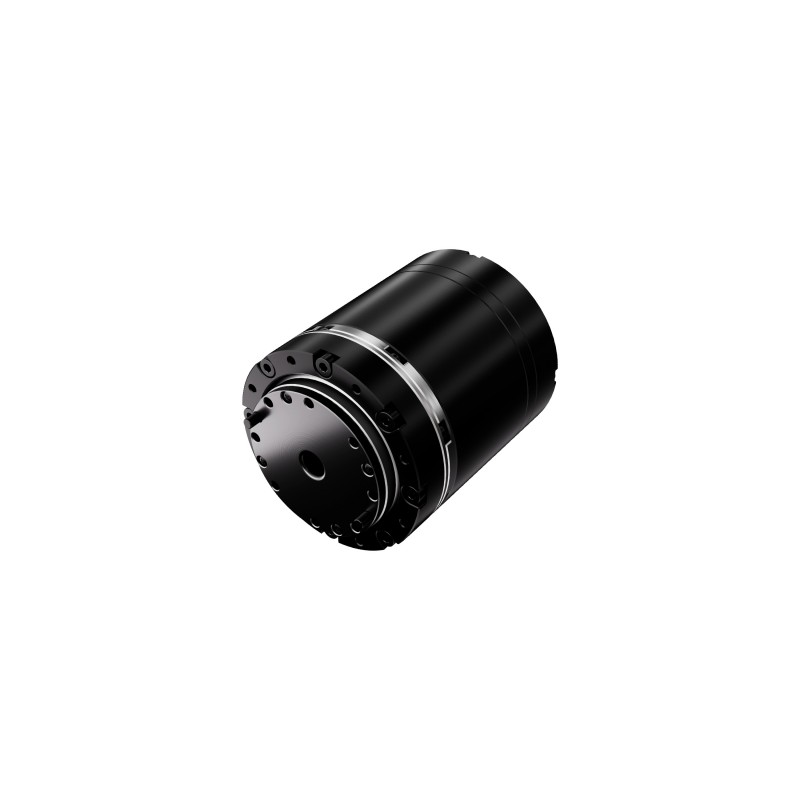
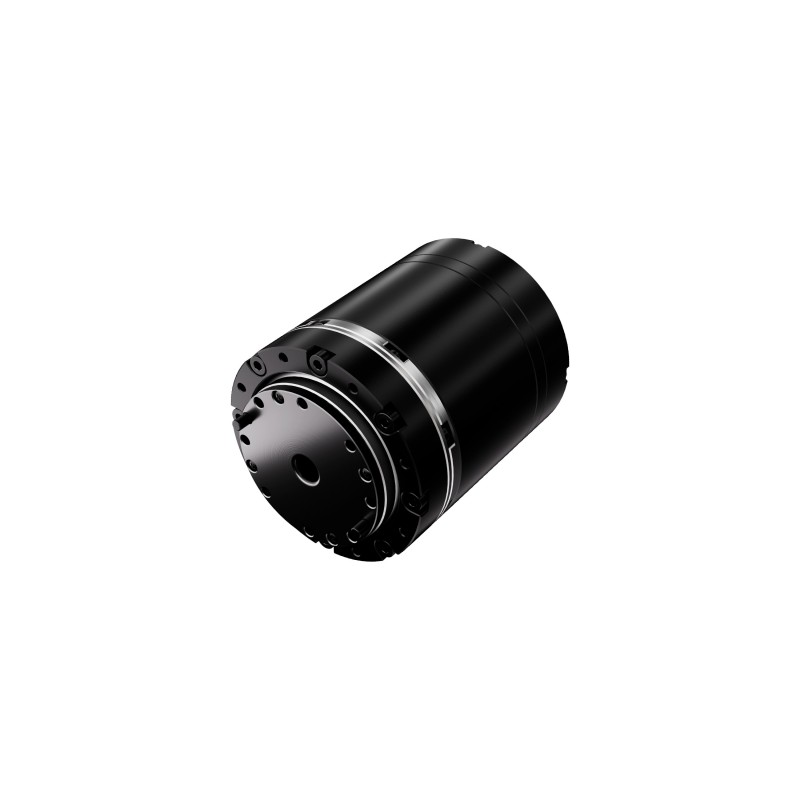
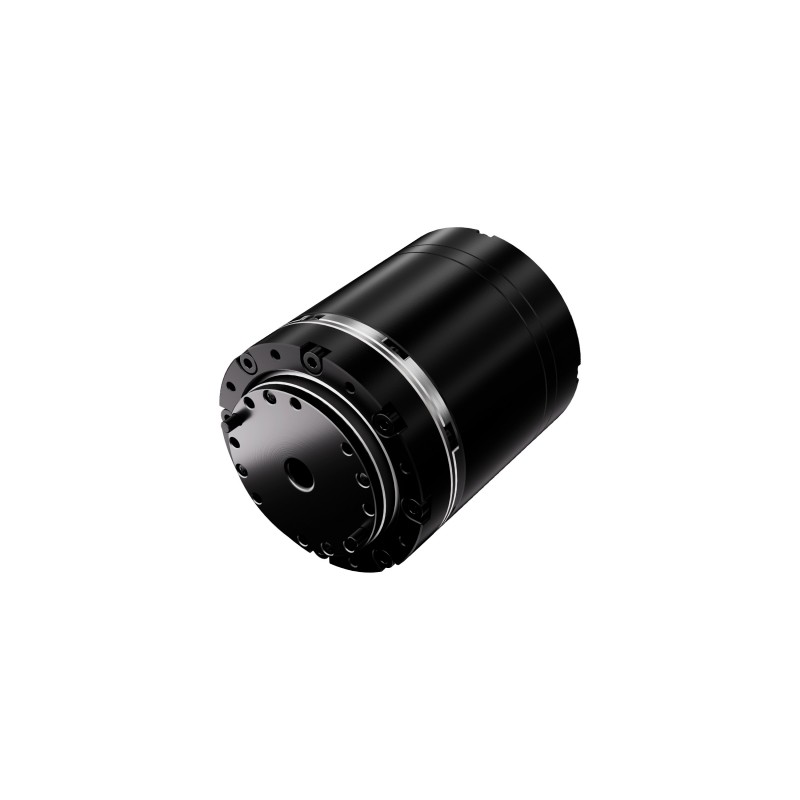
The DC Low Voltage Series joint module (48V power supply) integrates a servo motor, brake, strain wave gear, servo drive, absolute encoder, and other core components. The product supports CANopen, CAN FD, EtherCAT, and Modbus communication protocols.
Integrated Servo Drive
Every DC Low Voltage module integrates a servo drive inside the module. This is the key difference between the DC Low Voltage Series and the AC High Voltage Series: the DC series integrates the servo drive inside the module, while the AC series requires an external drive cabinet connected through motor phase and encoder wiring.
What the integrated drive eliminates:
- External drive cabinet: No DIN-rail servo drive, no cabinet space, no drive-to-motor power cables running through the robot arm
- Motor phase cabling: The drive sits millimeters from the motor windings. High-current PWM switching stays inside the shielded module housing, reducing EMI
- Drive tuning: Laifual Drive ships each module with pre-tuned current, velocity, and position loops matched to the specific motor-gear-encoder combination in that module
- Multi-vendor integration: One joint module integrates the motor, gear reducer, encoder, brake, and drive into a complete actuator, delivering a highly integrated and easy-to-use solution.
- Two fieldbus protocols are supported: EtherCAT for high-speed multi-axis synchronization, and CANopen for simpler distributed control architectures.



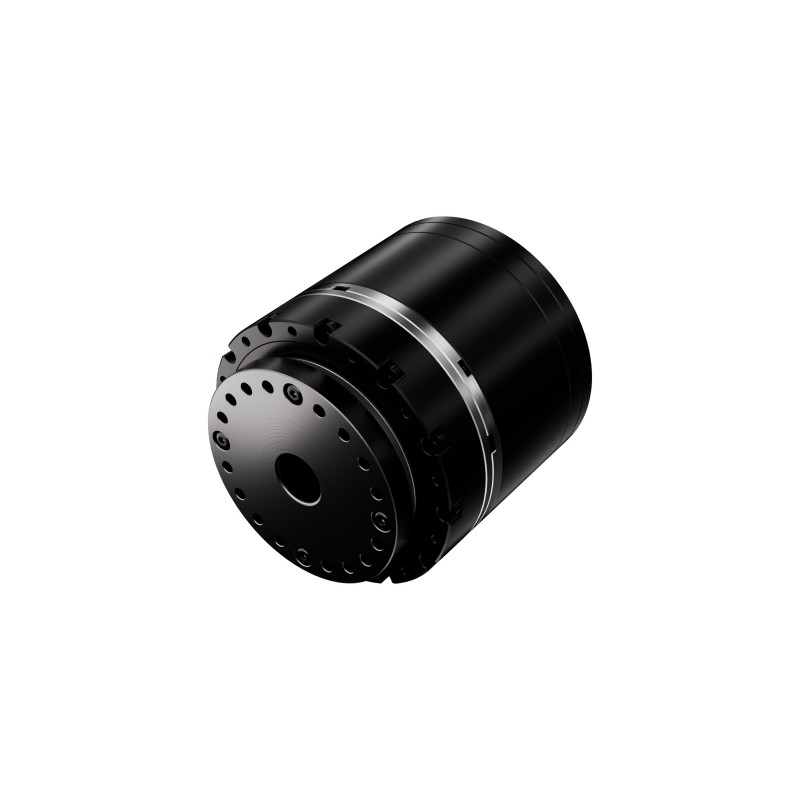
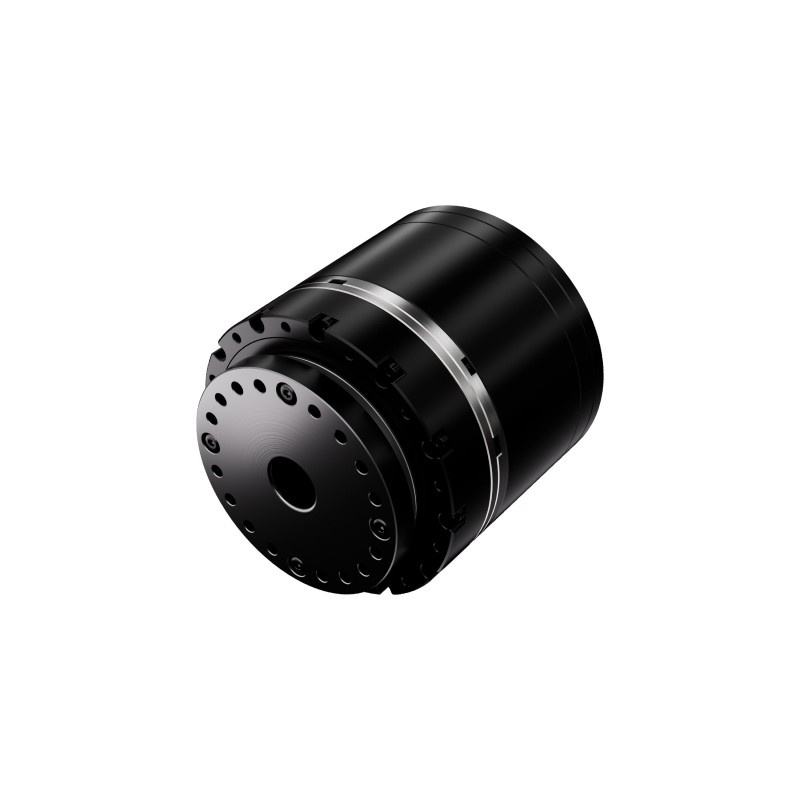
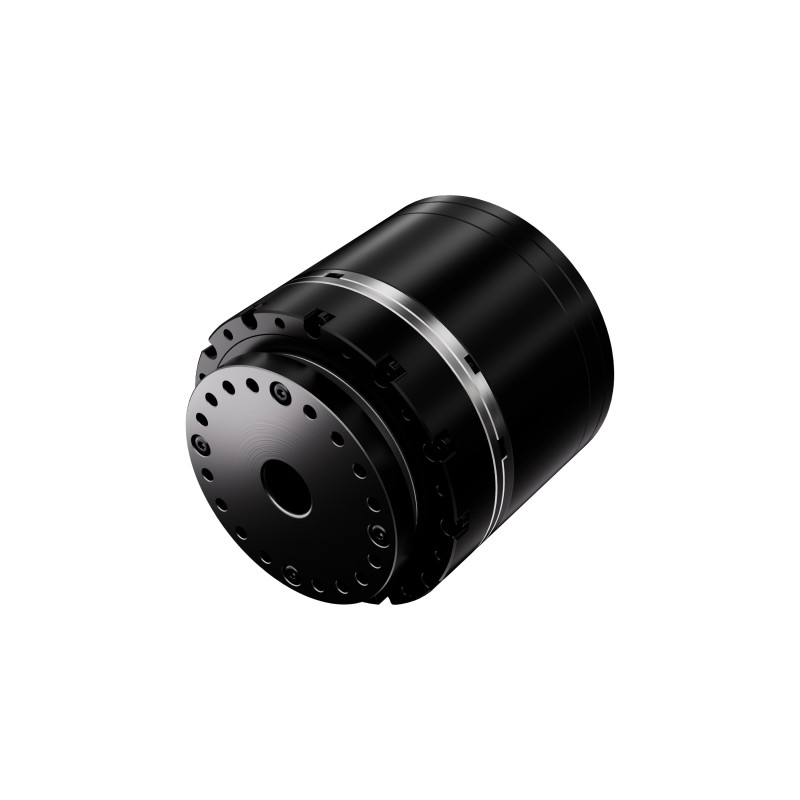
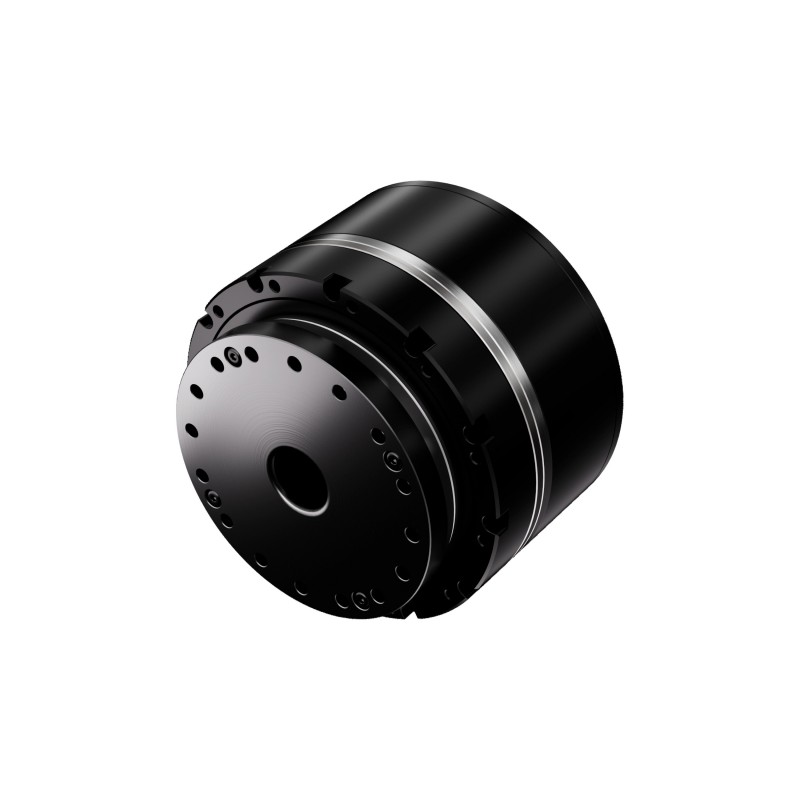
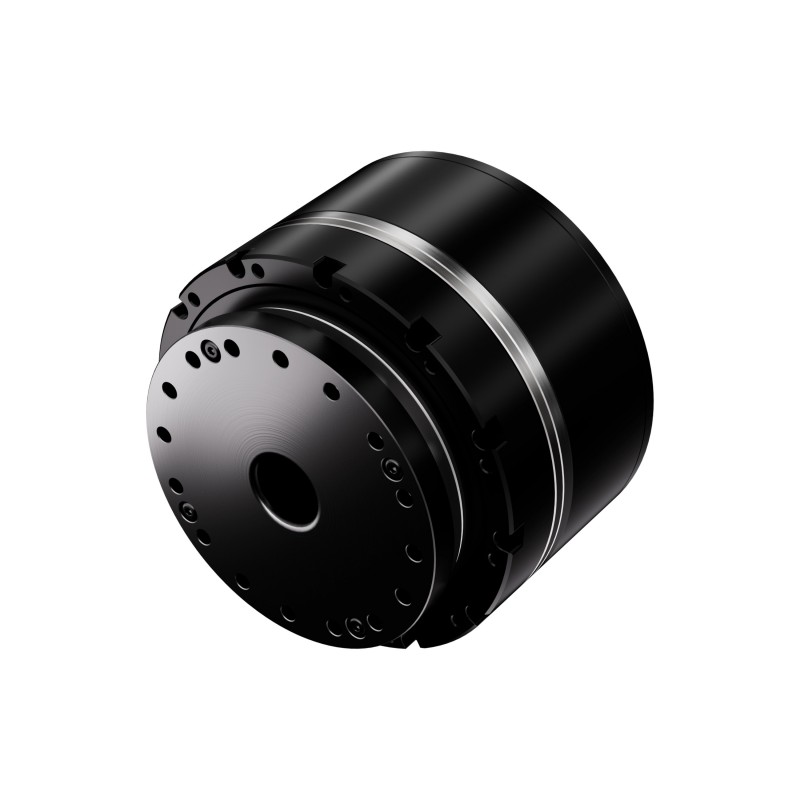
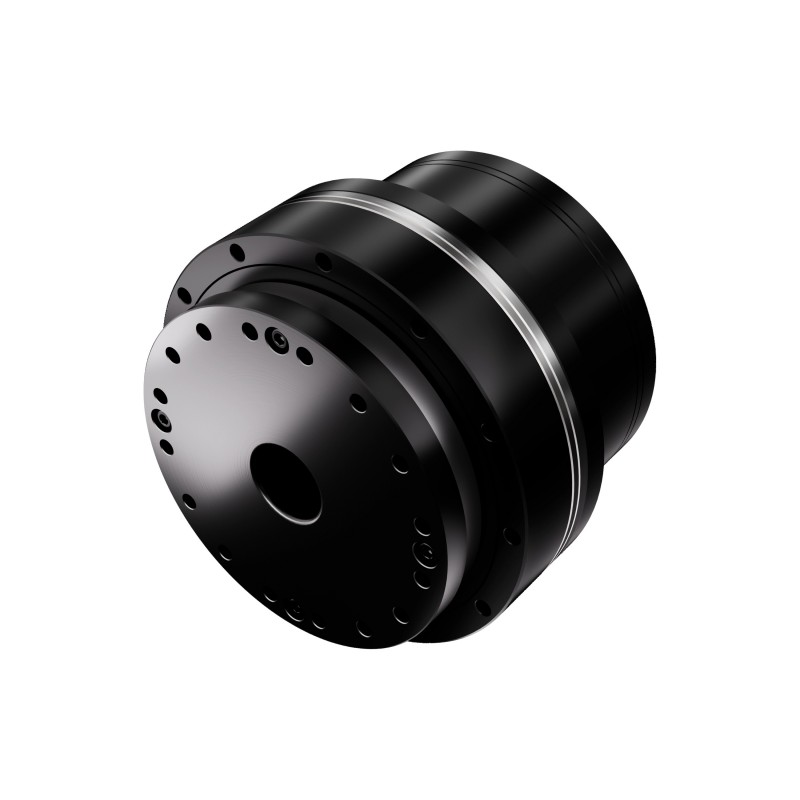
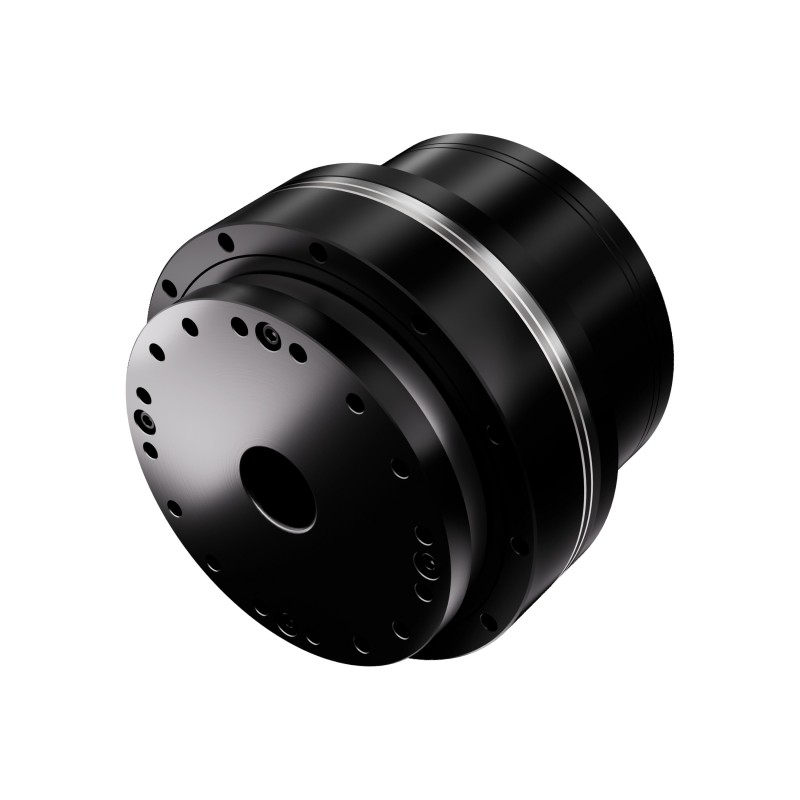
Frameless Torque Motor
The DC Low Voltage Series uses a frameless torque motor — the rotor and stator are integrated directly into the module without a separate motor frame, shaft, or bearings.
This is not an off-the-shelf servo motor bolted to a reducer. The motor’s rotor mounts on the wave generator input shaft. The stator is pressed into the module. The module’s bearings support both the motor rotor and the Strain wave gear input simultaneously.
This frameless approach eliminates the need for additional bearings, shaft couplings, and mounting flanges typically required in a separate motor-reducer assembly.
For mobile robots where every millimeter of joint diameter and every gram of mass compounds across six or more axes, eliminating these redundant parts matters.
The module typically operates on a 24V–48V DC bus, compatible with battery packs used in autonomous mobile robots (AMRs), legged robots, and portable manipulators.
Request an Product Quote
Applications
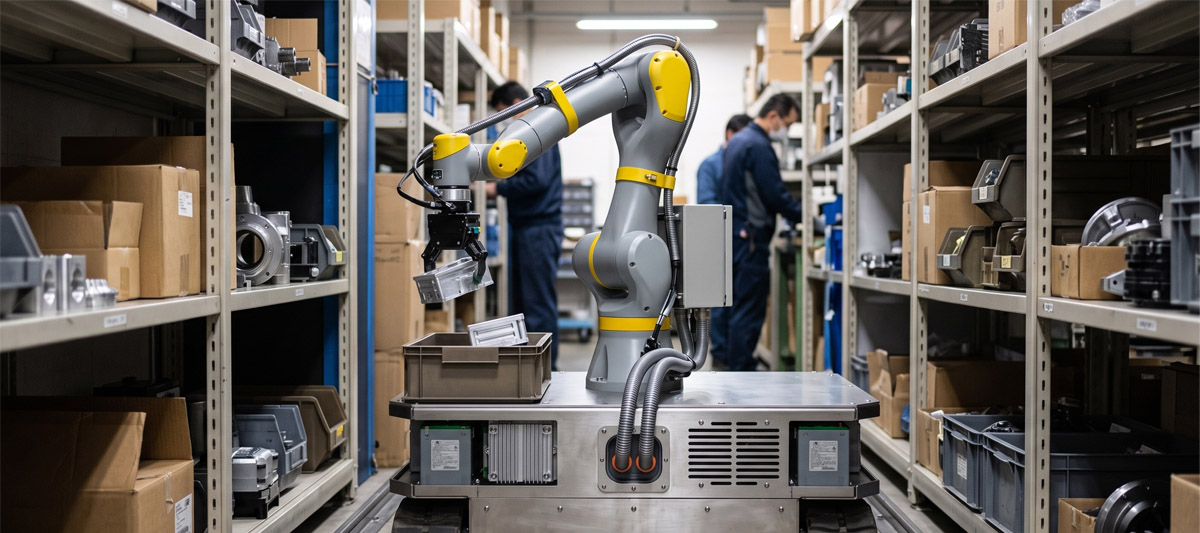
Autonomous Mobile Robots (AMRs)
Battery-powered manipulator arms mounted on mobile platforms. The DC architecture allows direct connection to the vehicle battery system, eliminating the need for an additional AC-to-DC conversion stage. Integrated drives eliminate the need for external drive cabinets, making them ideal for space-constrained mobile robotic platforms.
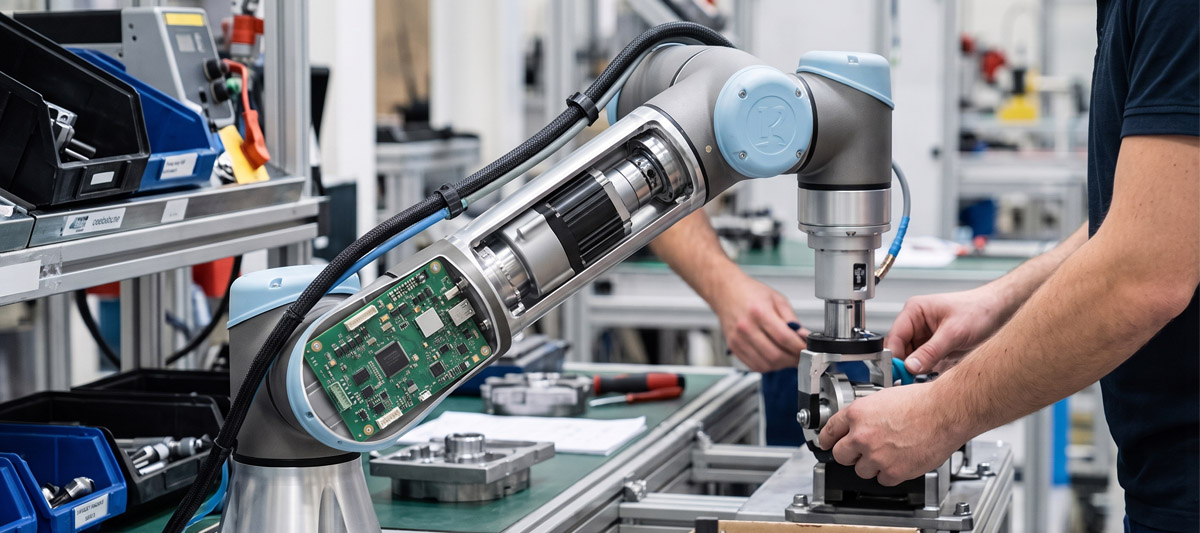
Collaborative Robots:
The integrated drive communicates torque and position data via EtherCAT, providing joint-level feedback to support torque monitoring and motion control functions in collaborative robot applications. Pre-tuned current, velocity, and position loops reduce commissioning time for each axis.
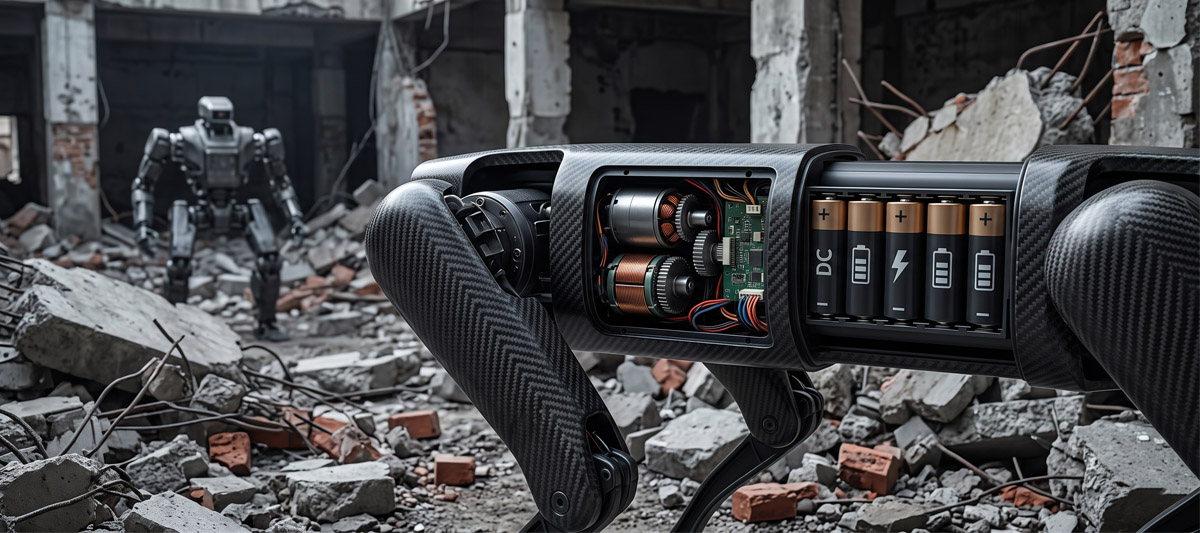
Legged Robots
Frameless motor integration and DC power architecture are well suited for the compact joint spaces and battery-powered operation requirements of quadruped and biped robots. The integrated brake provides holding torque during power loss, helping maintain joint position and improve system safety.

Portable Medical Devices
Battery-powered surgical assistants and rehabilitation exoskeletons. Low-voltage DC operation simplifies electrical safety certification for patient-contact devices.

Laboratory Automation
Benchtop liquid handlers, microplate positioners, and sample changers. CANopen control simplifies multi-axis coordination without the complexity of a full motion controller rack.
Spec Overview Table
| Joint Series | L | Low Voltage |
| Joint Model | 40 | ø 40 |
| 52 | ø 52 | |
| 60 | ø 60 | |
| 70 | ø 70 | |
| 80 | ø 80 | |
| 90 | ø 90 | |
| 110 | ø 110 | |
| 142 | ø 142 | |
| 170 | ø 170 | |
| 190 | ø 190 | |
| Joint Structure | I | I Joint |
| T | T Joint | |
| Torque Sensor | F | Torque Sensor |
| / | Without Torque Sensor | |
| Communication Protocol | C | CANopen |
| F | CAN FD | |
| E | EtherCAT | |
| M | Modbus | |
| Reduction Ratio | 050 | 51:1 |
| 080 | 81:1 | |
| 100 | 101:1 | |
| 120 | 121:1 | |
| Brake | B | With Brake |
| F | Without Brake | |
| Wiring Method | F | End Outlet |
| Encoder Type | 0 | 17-bit single-turn, 16-bit multi-turn (single encoder) |
| 2 | 17-bit single-turn, no multi-turn (dual encoder) | |
| 3 | 17-bit single-turn, 16-bit multi-turn (dual encoder) |
Note: Complete torque, speed, and dimension data on individual sub-model Technical Specifications pages.
Frequently Asked Questions
Start Your Project
Tell us about your application, load and mounting needs. Response within 24 hours.