


AC High Voltage Joint Module
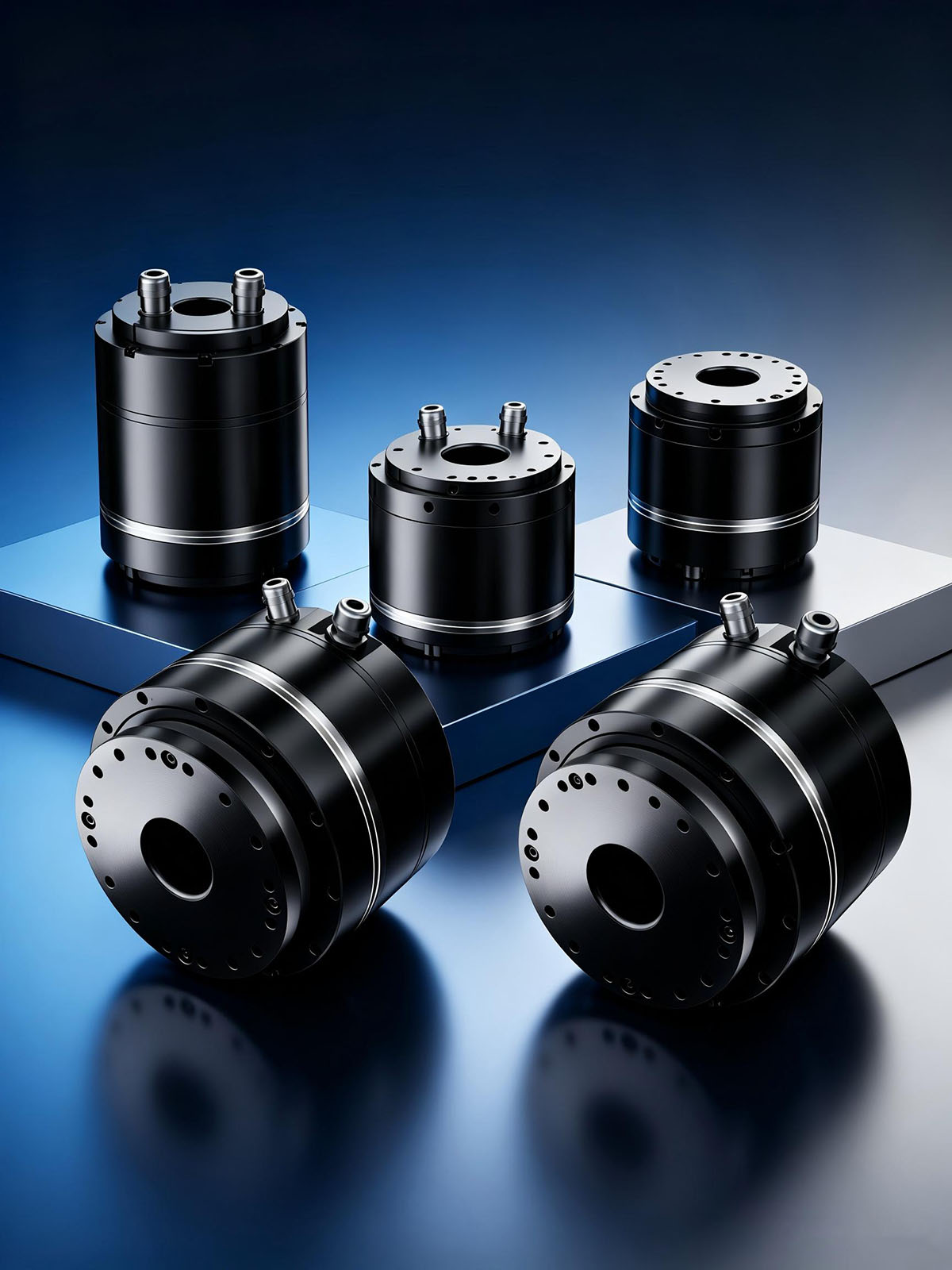
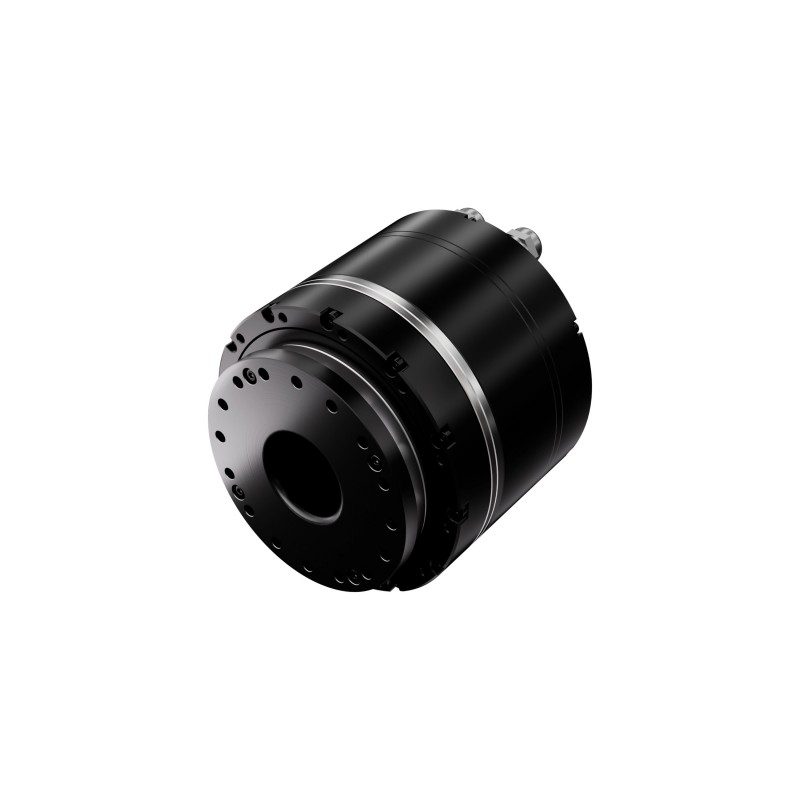
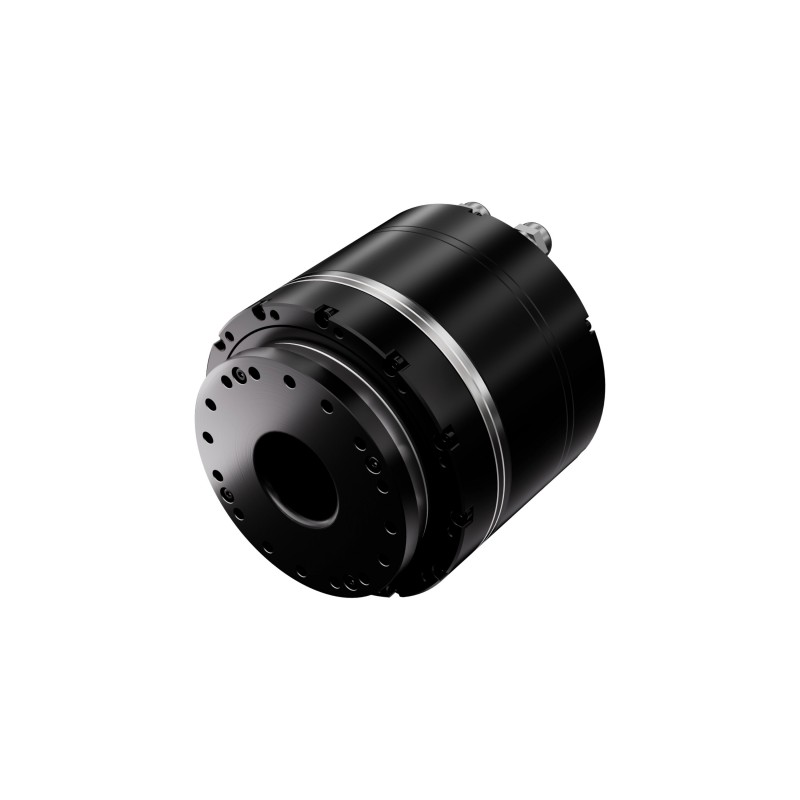
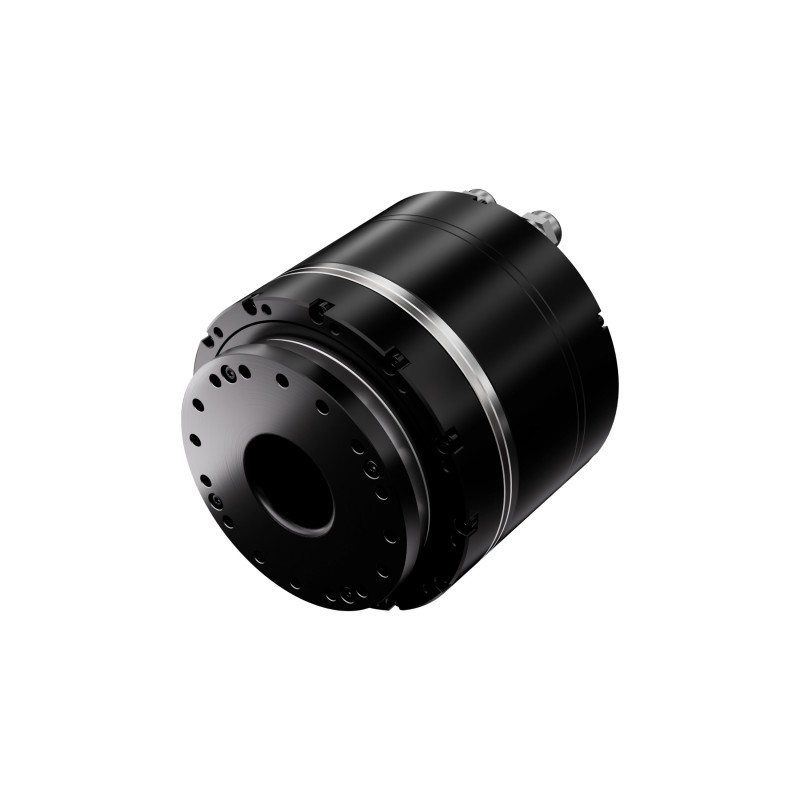
The AC High Voltage Series joint module (220V power supply) features a compact design, high precision, and a large hollow bore — simplifying customer selection, design, and manufacturing processes. The product supports BISS-C and TAMAGAWA communication protocols.
Joint Module vs Standalone Reducer
A standalone strain wave gear is a purely mechanical component. Integrating it requires your team to source a matching servo motor, select encoders, wire feedback loops, and align all shafts to strict micron-level tolerances.
Conversely, the AC High Voltage Joint Module arrives as a completely finished actuator. We factory assemble and precisely align the gear, motor, encoders, and brake on the exact same Zeiss CMM inspection lines that verify our raw gear components. You simply bolt the module into your robot frame and plug in the cables.
When the trade-off makes sense:
- Choose a joint module when development speed matters; the module arrives ready to run on day one
- Choose a standalone reducer when you need to specify a specific motor brand, custom windings, or non-standard encoder format
- Choose a joint module when you lack the in-house capability to align motor and reducer shafts to the required tolerance (typically under 5 microns runout)
- Choose a standalone reducer when your production volume justifies the tooling cost of building your own integrated joint solution



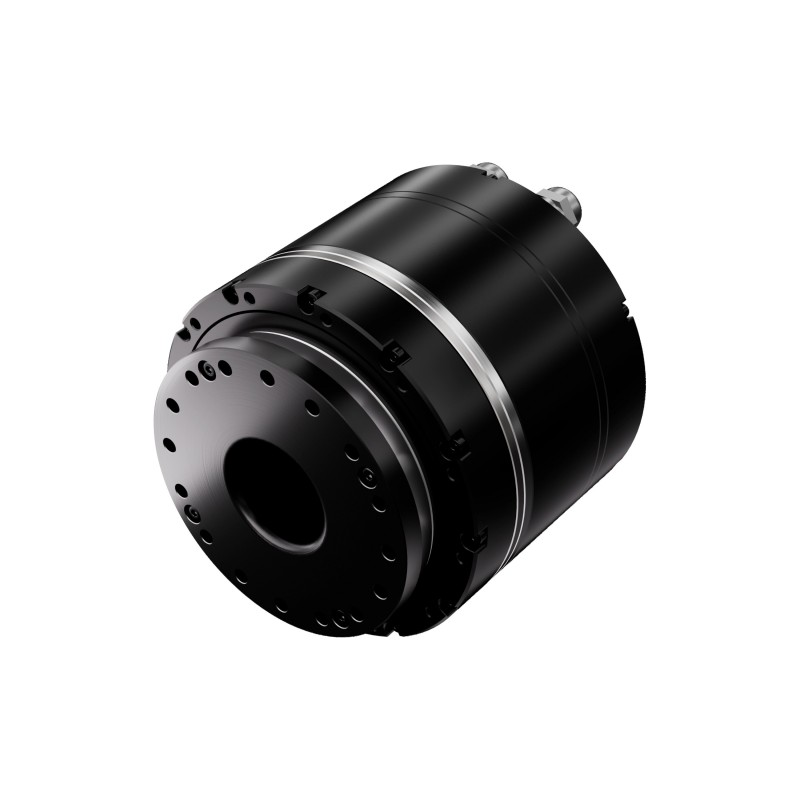
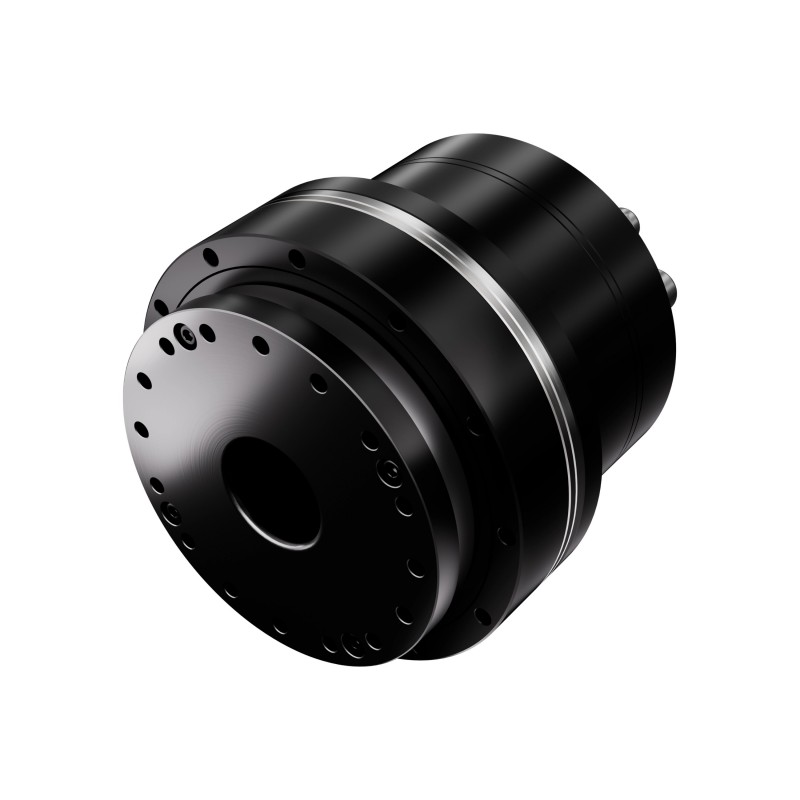
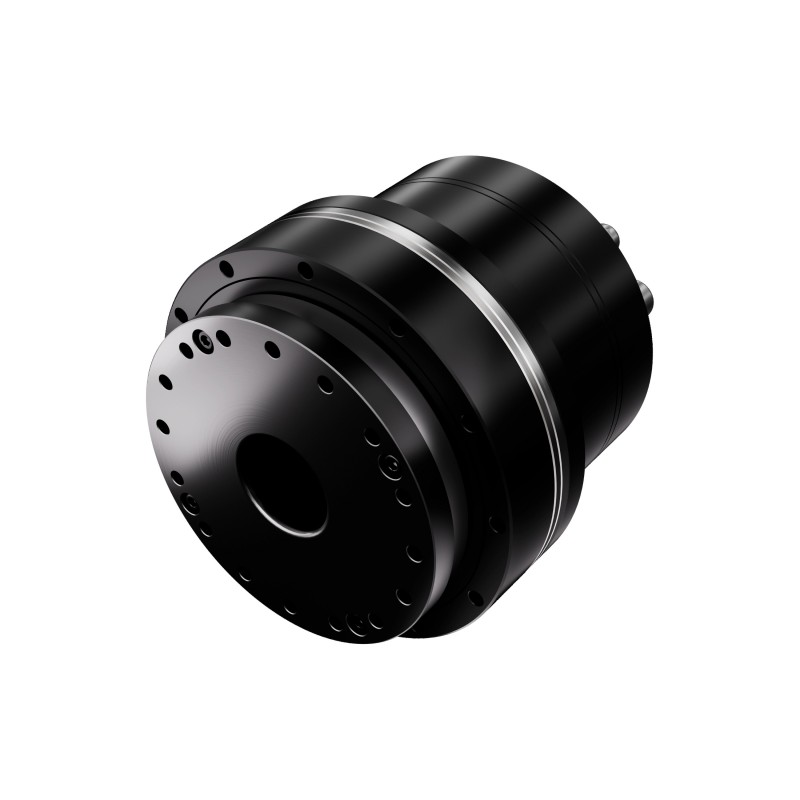
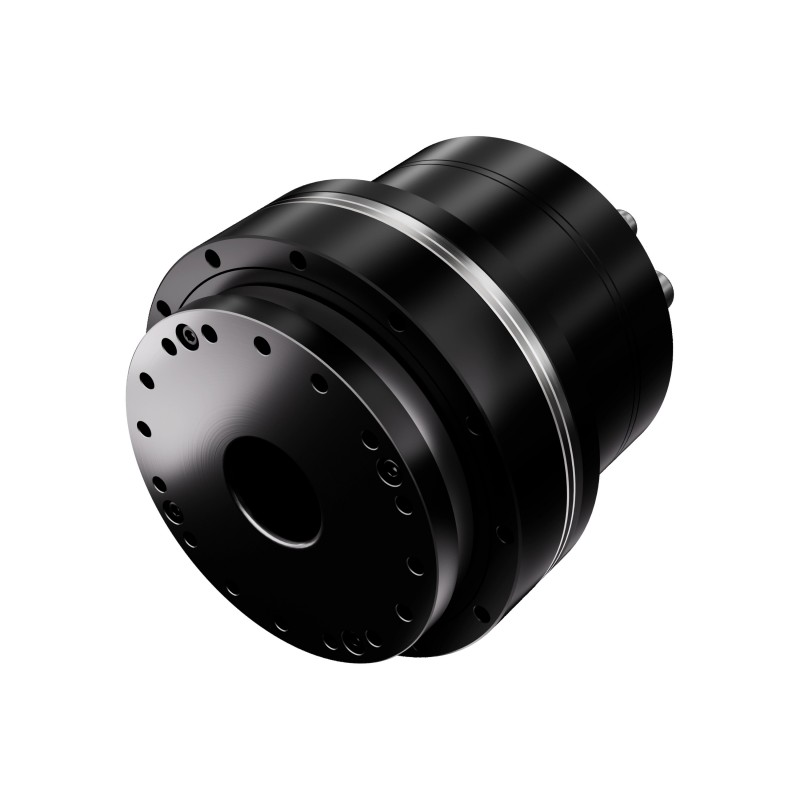
Sing Encoder and Brake System
The Standard configuration includes one absolute encoder:
Encoder: One absolute encoder with 17-bit single-turn and 16-bit multi-turn functions for motor position feedback. A dual-encoder configuration is also available upon customer request.
The permanent magnet brake is more compact and lightweight, reducing overall joint size and weight for space-constrained robotic applications. It requires zero power consumption during holding and generates minimal heat, improving energy efficiency and system reliability.
Spec Overview Table
| Joint Series | M | High Voltage |
| Outer Diameter | 70 | ø 70 |
| 80 | ø 80 | |
| 90 | ø 90 | |
| 110 | ø 110 | |
| 142 | ø 142 | |
| 170 | ø 170 | |
| 190 | ø 190 | |
| Communication Protocol | B | BiSS-C |
| D | TAMAGAWA | |
| Reduction Ratio | 050 | 51:1 |
| 080 | 81:1 | |
| 100 | 101:1 | |
| 120 | 121:1 | |
| Brake | B | With Brake |
| F | Without Brake | |
| Wiring Method | F | Rear Outlet |
| S | Side Outlet | |
| Encoder Type | 0 | 17-bit single-turn, 16-bit multi-turn |
| 1 | 23-bit single-turn, 16-bit multi-turn (TAMAGAWA only) |
Please verify the following data (sourced from sub-model Technical Specifications pages)
Request an Product Quote
Applications
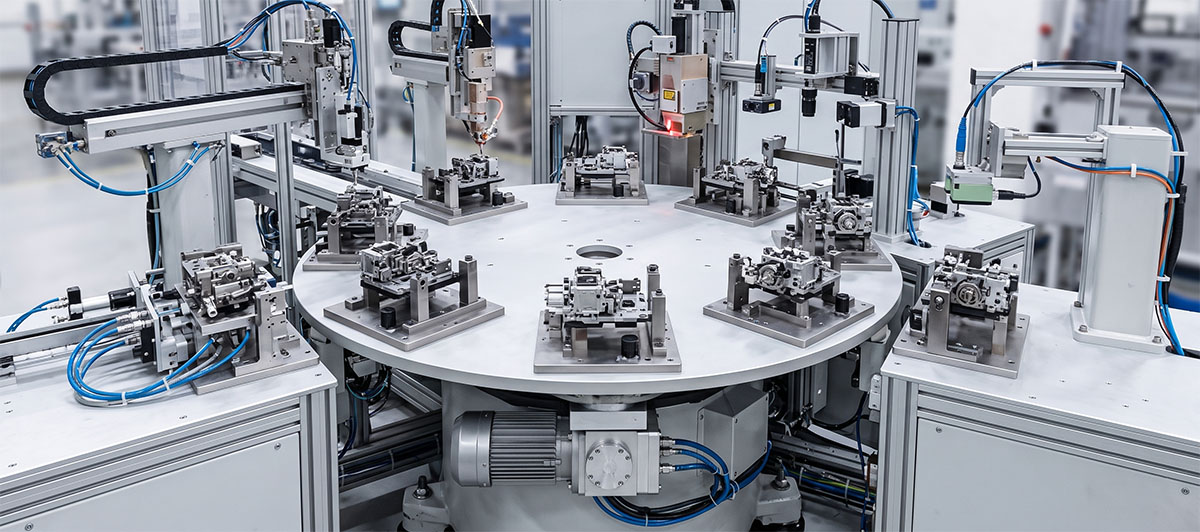
Rotary Indexing Tables
The actuator drives indexing tables in automated assembly lines, enabling precise step-by-step positioning of workpieces between different processing stations.

Packaging and Pick-and-Place
M80D and M90D modules in delta robot arms and high-speed picker wrists, where the factory-integrated module reduces commissioning time from days to hours.
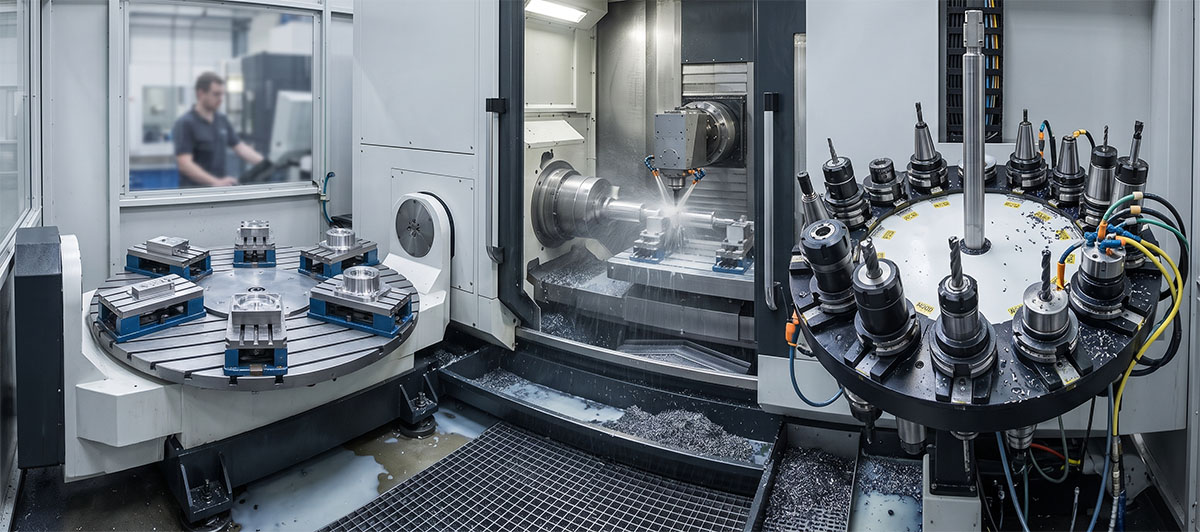
Machine Tool Automation
M110D to M170D modules in automatic tool changers and rotary pallet systems where IP65 rating handles coolant spray and metal chip exposure.
Frequently Asked Questions
Start Your Project
Tell us about your application, load and mounting needs. Response within 24 hours.