


FH Series Hollow-Shaft Strain Wave Gear
The FH Series is a hollow-shaft strain wave gear with a large central through-bore that allows cables, air lines, vacuum tubes, or laser beam paths to pass directly through the gear center. This eliminates external cable management around rotating joints, reducing wear points and simplifying multi-axis robot wiring architecture.
All FH Series models share the same cup-type flexspline architecture and multi-segment tooth profile as the FS Series, with zero backlash and 15,000-hour service life. For engineering teams evaluating Harmonic Drive SHG, SHF, or SHD models, the FH Series provides a compatible hollow-shaft alternative with equivalent or higher torque ratings.
Through-Bore Design Advantages
In a conventional solid-shaft strain wave gear, cables and hoses must route externally around the joint, adding service loops, drag chains, and failure-prone flex points.
The FH Series through-bore design helps solve this challenge: cables pass through the gear center and exit at the next joint, staying protected inside the robot arm structure.
Measurable benefits of through-bore routing:
- Longer cable life: Internal routing eliminates repetitive bending at the joint pivot, one of the major causes of cable fatigue failure in multi-axis robots
- Cleaner robot exterior: No external cable bundles or drag chains, reducing snag risk in confined workspaces
- Simplified assembly: Cables pre-threaded through the bore during arm build, eliminating post-assembly cable dressing labor
- Multi-utility pass-through: A single bore carries power cables, signal lines, pneumatic tubing, and fiber optics simultaneously


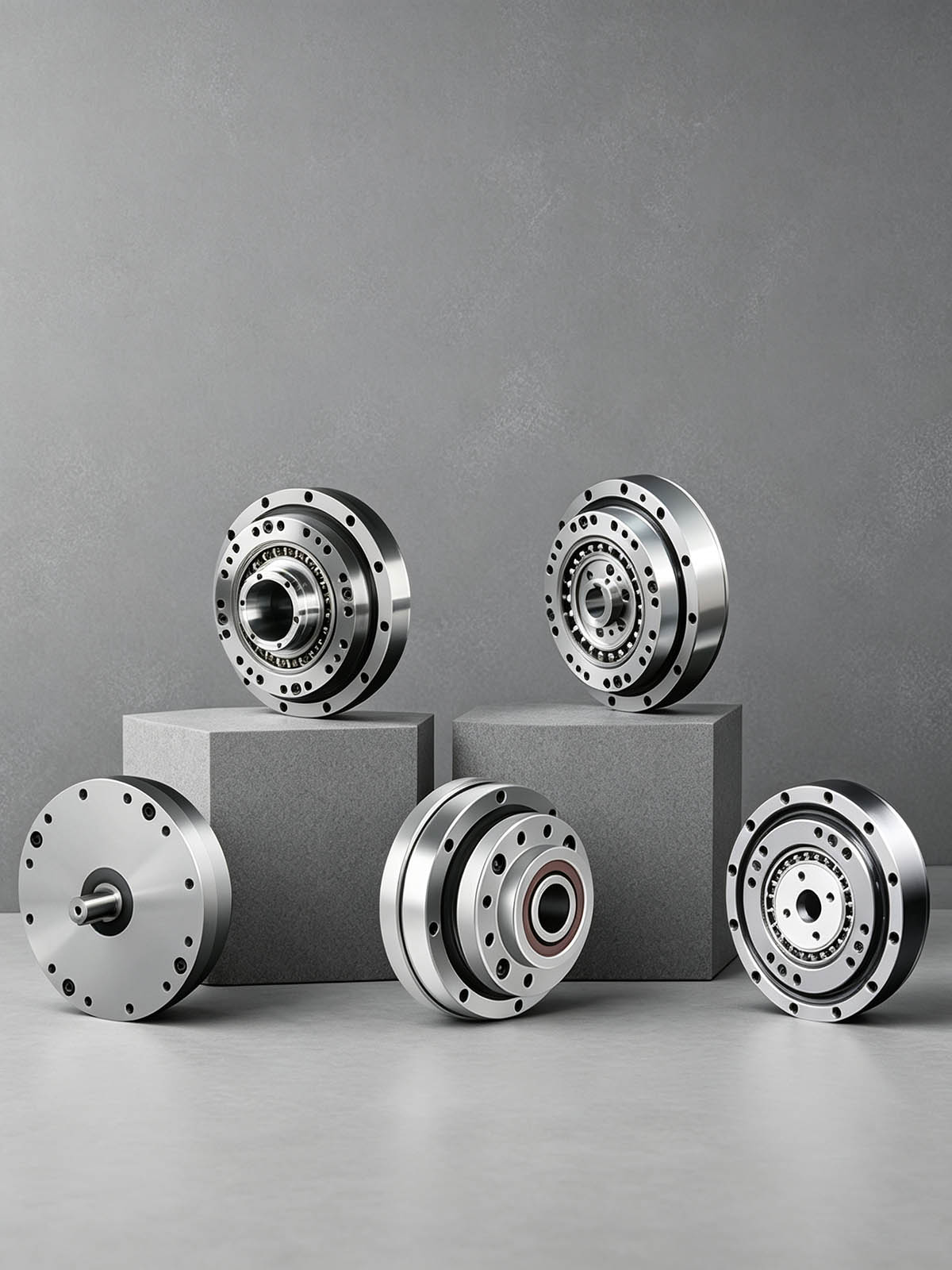
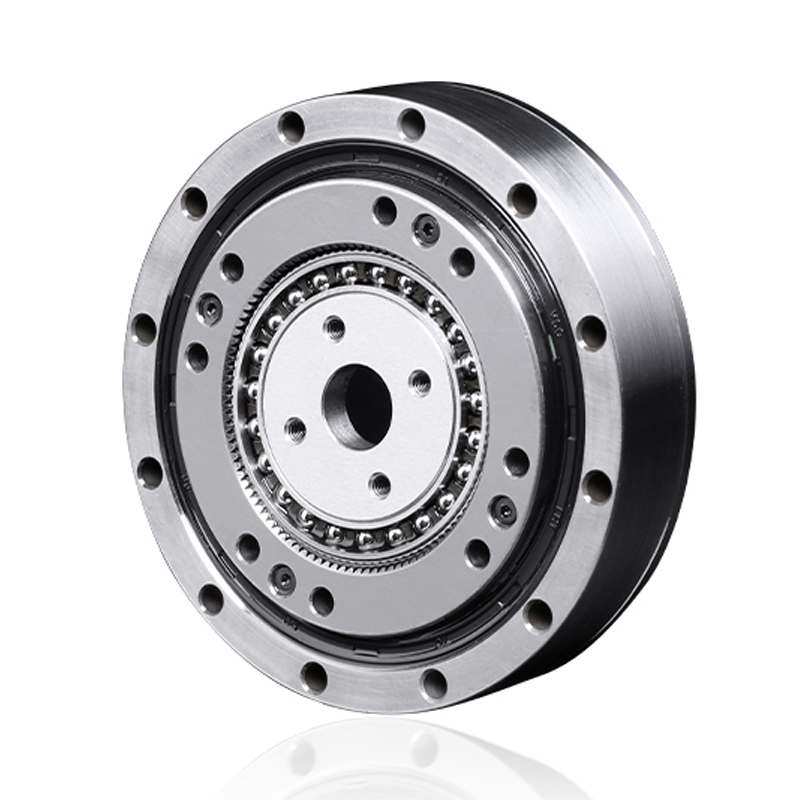
FHD
- FHD Ultra‑Short (Sizes 14-32)
- Axial length reduced by 50% (FHD‑I) vs standard SHD
- Thin robot wrists
- Vacuum chambers
- Tight spaces
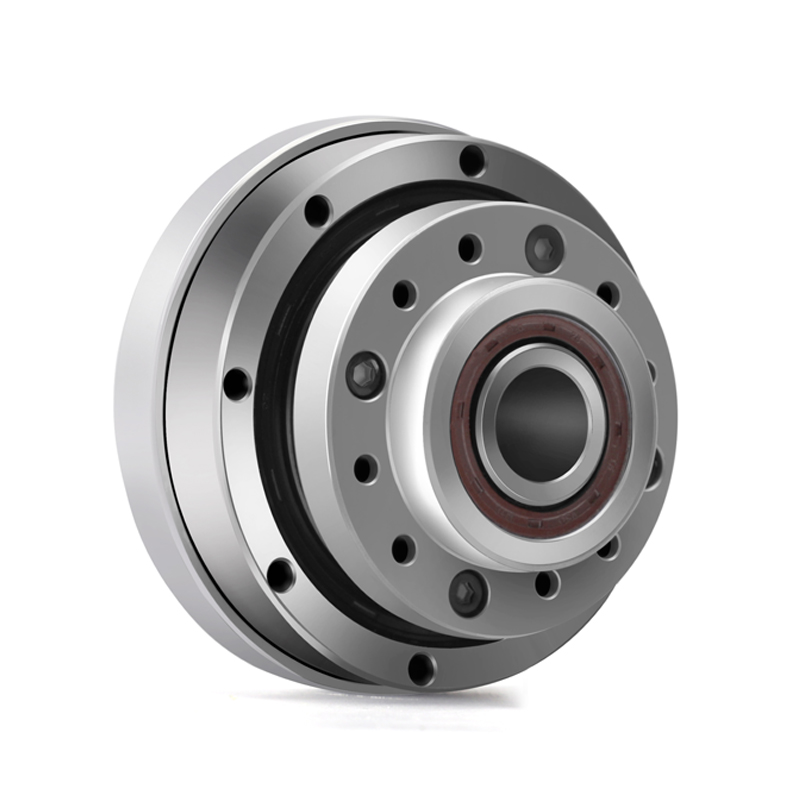
FHN
- FHN Lightweight (Sizes 14-40)
- 20% weight reduction vs standard FH
- No direct HD equivalent
- Collaborative robots
- Mobile platforms
- UAV gimbals
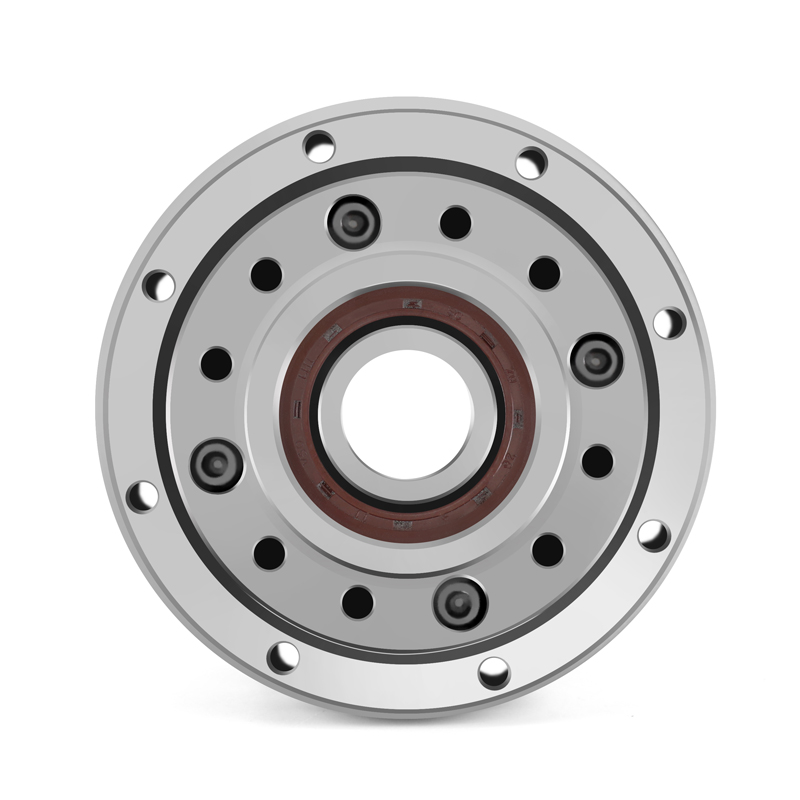
FHG
- FHG High‑Torque (Sizes 14-58)
- 30% higher torque + 43% longer service life vs SHG
- Heavy‑duty joints
- Press tending
- Continuous operation
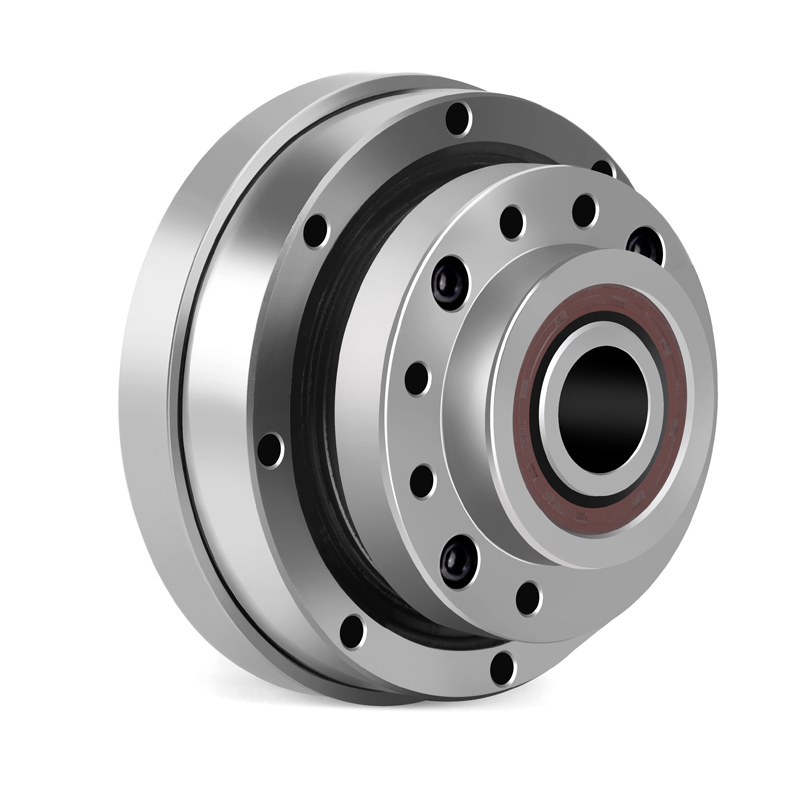
Hollow type FHT
- FHT Large‑Bore (Sizes 14-40)
- Maximized through‑bore diameter for bundled cable pass‑through
- Multi‑cable routing
- Hydraulic lines
- Fiber optics
Lightweight Build and High Torque Output
FHN Lightweight Build
FHN models Strain wave gears mass by approximately 20% compared with equivalent-size standard FH models Weight savings come from thin-wall flexspline design, optimized housing geometry, and material selection, without sacrificing the rated torque capacity. For collaborative robots and mobile platforms where every kilogram affects battery life and dynamic response, this weight reduction directly improves the payload-to-weight ratio of the arm.
FHG High Torque Output
FHG models deliver 30% higher rated torque than standard FH at the same frame size, and extend service life by 43%. The gains come from upgraded flexspline material and deeper tooth engagement that distributes contact stress across a larger surface area. Designed for heavy-duty joints operating near their torque ceiling under continuous duty cycles.
Spec Overview Table
| Parameter | FHD Ultra‑Short | FHN Lightweight | FHG High‑Torque | FHT Large‑Bore |
| Key Advantage | Axial length -50% (FHD‑I) |
Weight -20% vs standard FH |
Torque +30% Life +43% |
Max bore diameter |
| Size Range | 14 to 32 | 14 to 40 | 14 to 58 | 14 to 40 |
| Reduction Ratio | 50:1 to 100:1 | 50:1 to 160:1 | 50:1 to 160:1 | 301 to 160:1 |
| Rated Torque @2000rpm |
Equivalent to FSD class |
Standard FH class (20% lighter) |
Equivalent to FSG class (+30%) |
Standard FH class |
| Backlash | ≤20 arc sec | ≤20 arc sec | ≤20 arc sec | ≤20 arc sec |
| Bore Diameter | Standard bore | Standard bore | Standard bore | Maximized bore |
| Design Life | 9,000~10,000h | 10,000~15,000h | 10,000~15,000h | 10,000~15,000h |
Note: Complete specifications on individual sub-model pages.
Request an Product Quote
Applications
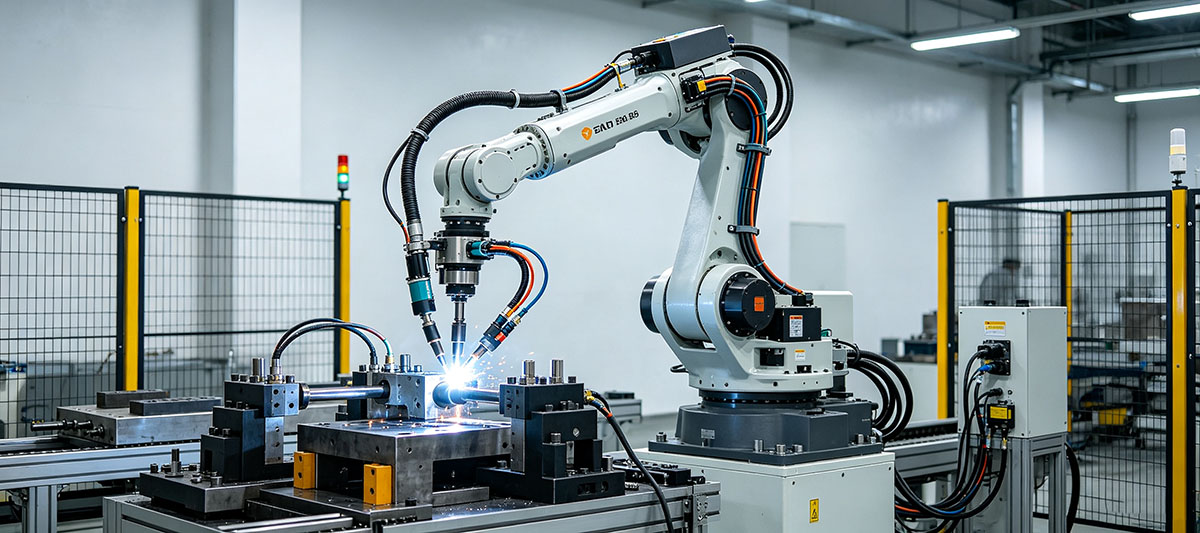
Multi-Axis Robot Arms
Each wrist joint on a 6-axis welding or painting robot routes power, signal, shielding gas, and wire feed through the hollow shaft, eliminating external cable bundles that snag on fixtures.
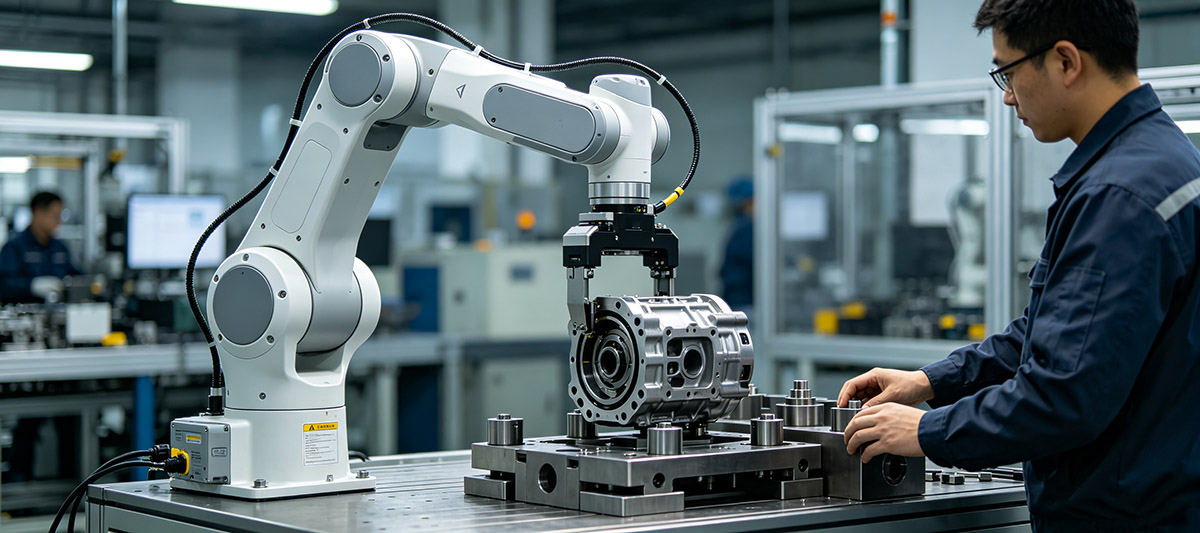
Collaborative Robots
FHN lightweight models reduce joint mass while the through-bore routes torque sensor and encoder cabling internally, maintaining the clean exterior required for force-limited safety sensors.
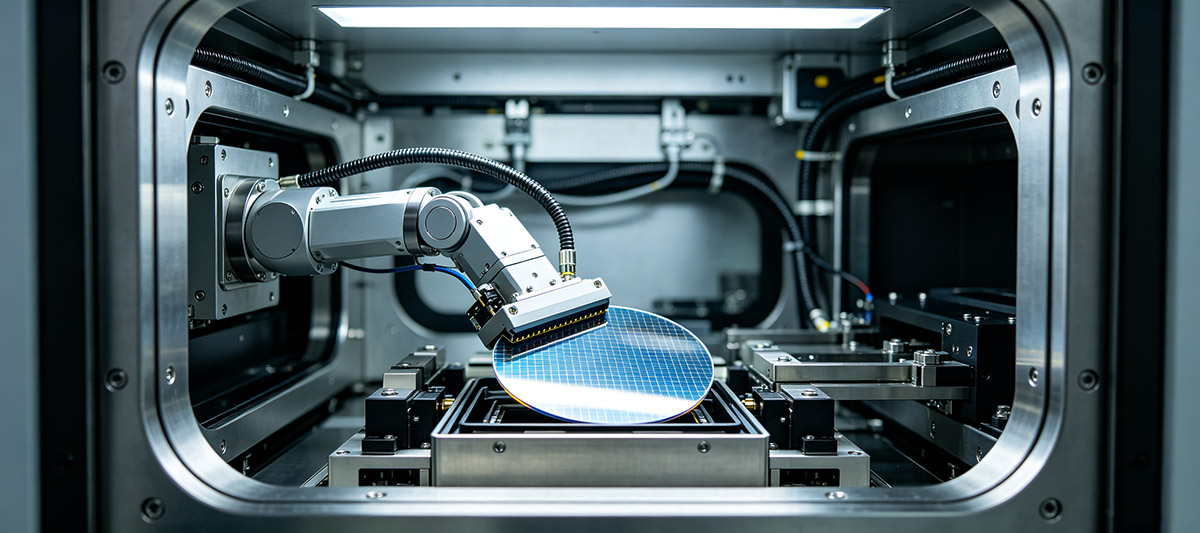
Semiconductor Wafer Handling
FHD ultra-short models fit within the thin wrist envelope of vacuum chamber robots, where the hollow bore routes vacuum sensing lines without breaching chamber seals.
Medical Imaging
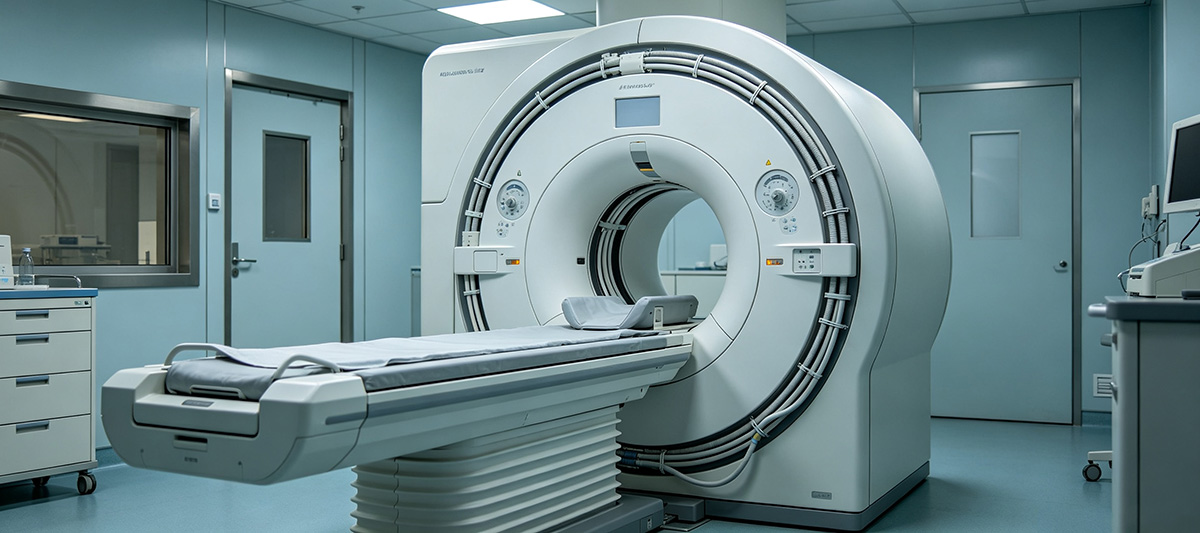
CT and MRI gantry rotation stages use the through-bore to pass patient table actuation cables through the rotation axis, avoiding slip rings and their signal noise.
Machine Tool Rotary Tables
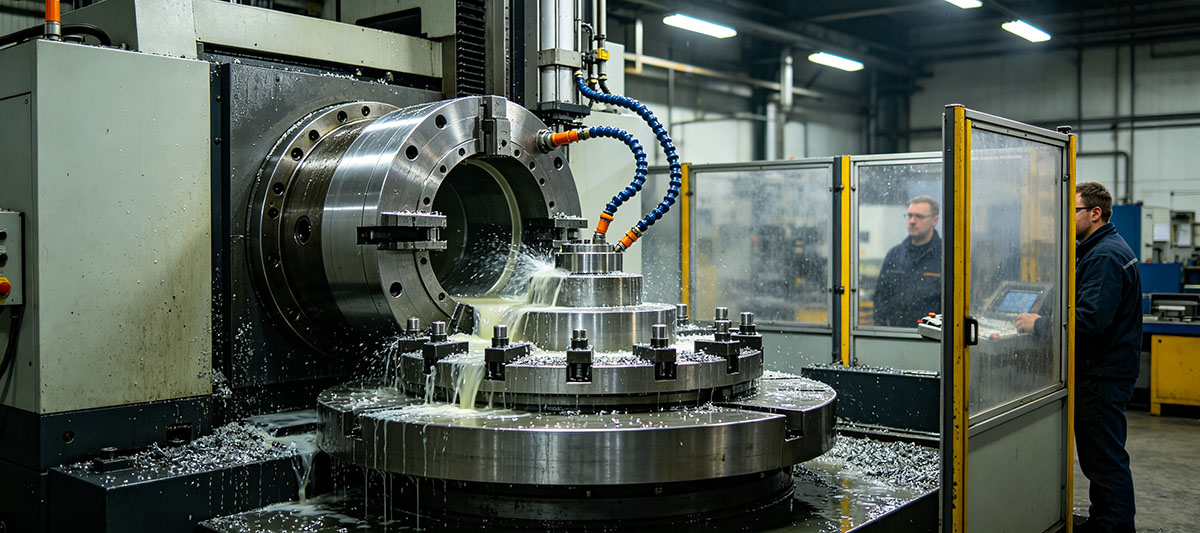
FHT large-bore models accommodate coolant lines and clamping hydraulics through the table center, eliminating rotary unions and their maintenance burden.
Frequently Asked Questions
Start Your Project
Tell us about your application, load and mounting needs. Response within 24 hours.