


Mini Series Compact Strain Wave Gear
The Mini Series is Laifual Drive's ultra compact strain wave gear line engineered specifically for desktop automation, surgical robots, and portable devices. It is explicitly optimized for applications where minimizing physical size and overall weight serves as the absolute primary design constraint. To meet diverse integration needs, this series offers two distinct architectural designs.
The FHT Hat Type features a brim shaped output flange and a generous central hollow bore that allows cables to pass directly through the center while completely eliminating bulky adapter plates. Conversely, the FSN Cup Type utilizes an optimized thin wall design to reduce total mass by 30 percent without sacrificing torque or precision.
Hat-Type Architecture
Mini Series Design Configurations
- FHT Flange Design
The FHT unit features an outward extending output flange that creates a large unobstructed central bore to easily route cables and optical paths.
This wide flat mounting surface bolts directly to your output structure to completely eliminate extra adapter components while ensuring exceptionally high concentricity. It is highly ideal for surgical robot wrists, optical positioning stages, and compact pick and place mechanisms.
- FSN Lightweight Profile
The FSN unit delivers a 30 percent weight reduction compared to standard models by utilizing a thin wall flexspline, an optimized housing, and narrow section bearings.
It strips away all unnecessary bulk while perfectly maintaining the original rated torque, precision, and service life. These mass savings directly boost payload capacity and dynamic response for collaborative robot end effectors, camera gimbals, and portable medical devices.


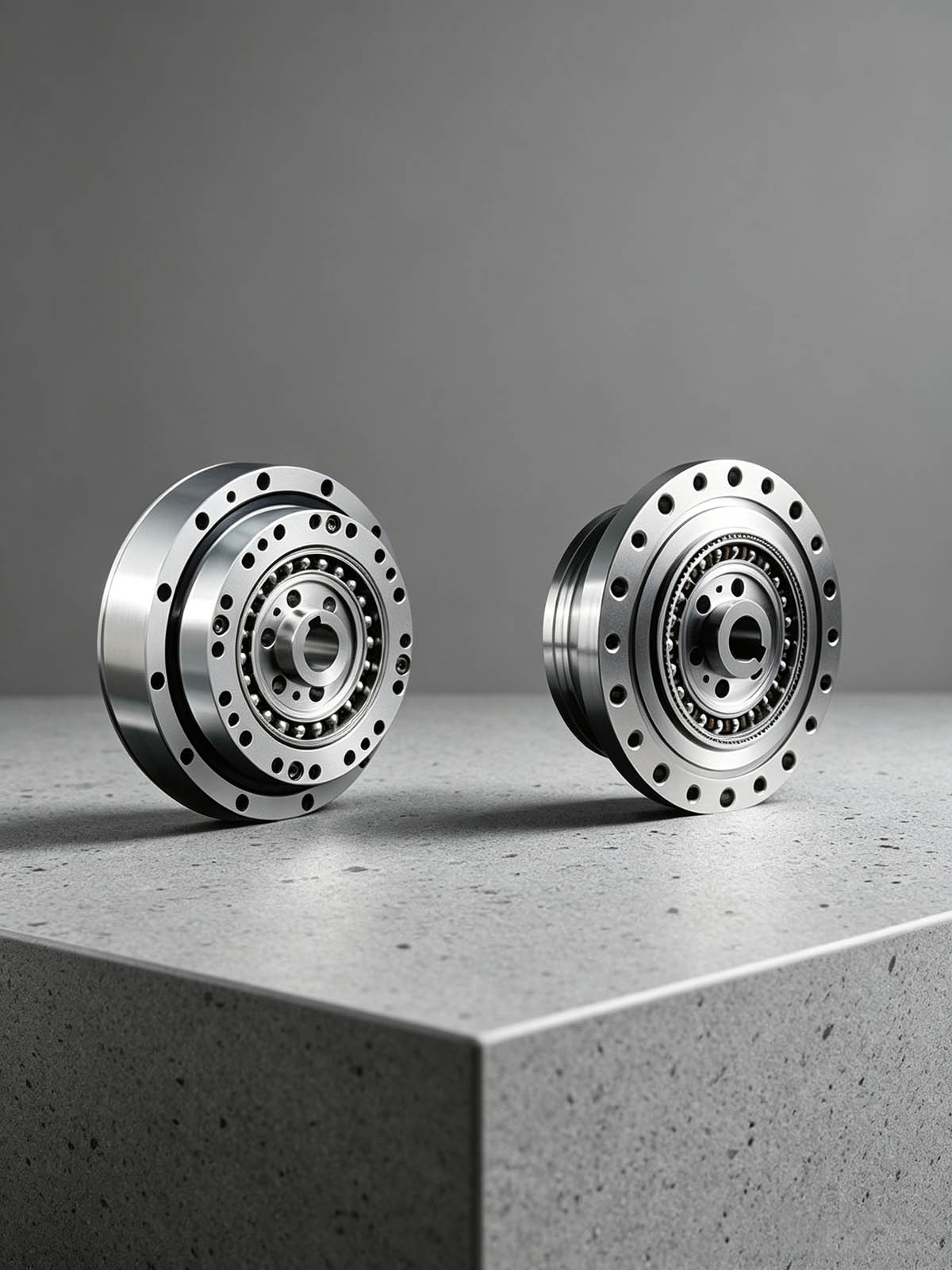

Hat Type FHT-Ⅰ
- Hat‑type flexspline with brim flange
- Large hollow bore for cable routing
- Direct‑mount brim eliminates adapter plates
- Surgical robot wrists
- Optical positioning stages
- Desktop pick‑and‑place

FSN
- Cup‑type flexspline (thin‑wall)
- 30% weight reduction vs standard cup‑type
- Same torque and precision
- End effectors
- Camera gimbals
- Portable medical devices
Performance Characteristics
The Mini Series is designed from the ground up for applications where reducer diameter and mass drive system capability. For desktop robots, a smaller reducer means narrower arm tubes and smaller joint covers.
For portable medical devices, a lighter reducer extends battery runtime. For articulated camera gimbals, lower joint mass improves stabilization response. Every gram and millimeter removed from the reducer cascades through the entire mechanical design.
Validated Weight Reduction
The FSN model achieves mass reduction through structural optimization rather than using exotic materials. Thin wall flexspline designs remove non load bearing metal based on rigorous FEA fatigue simulations.
Narrow section bearings replace full width bearings where structural analysis confirms they are sufficient. The gear tooth geometry, torque rating, backlash specification, and design life remain completely unchanged.
Multi Utility Bore and Custom Sealing
The FHT through bore provides an open passage for power cables, signal lines, fiber optics, and small pneumatic tubes to share the same space simultaneously.
For vacuum environments and cleanroom applications, Laifual Drive offers specialized sealing solutions including rotary shaft seals and protective bellows. Please specify your required vacuum level or cleanroom class during the RFQ stage.
Request an Product Quote
Applications
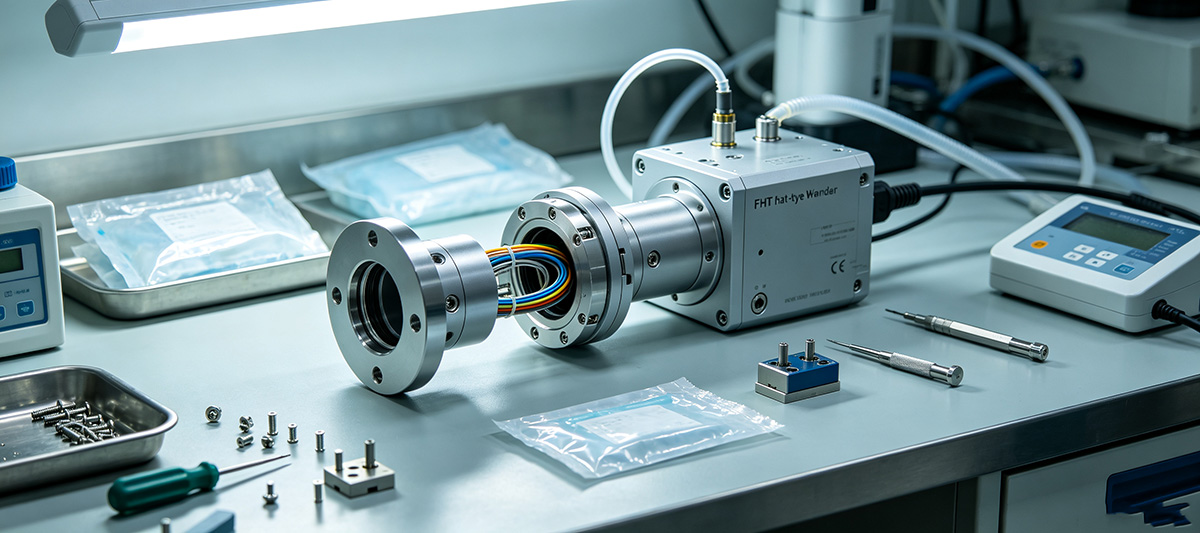
Surgical Robotics
FHT hat-type units in laparoscopic and endoscopic robot wrists, where the hollow bore routes camera cables and irrigation lines internally, and the brim flange provides a sterile, direct-mount interface to the instrument drive.
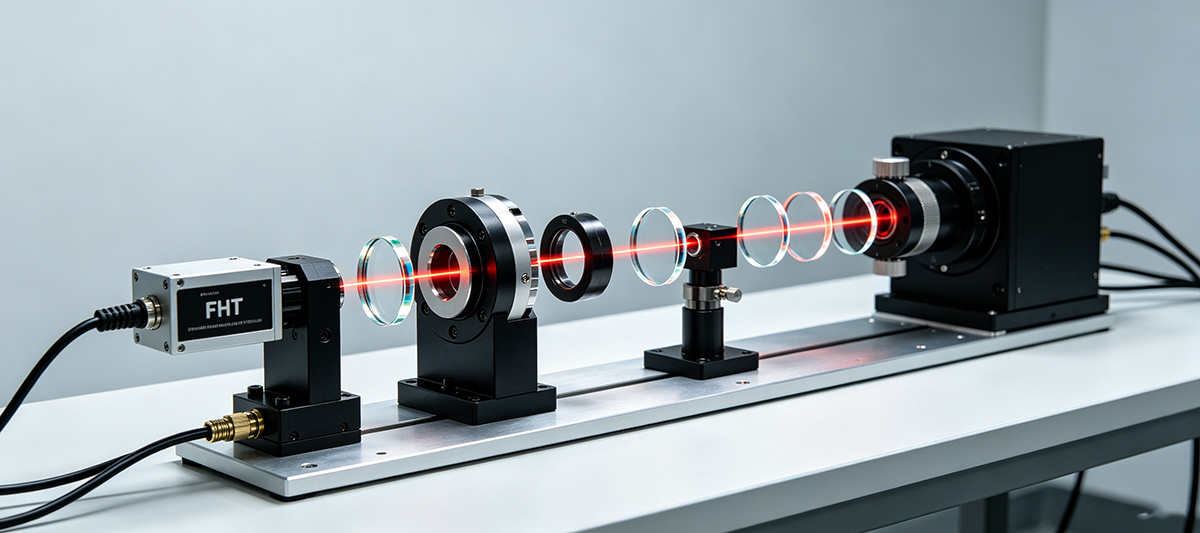
Optical Positioning
Laser beam steering mirrors, interferometer rotation stages, and telescope tracking mounts. The FHT through-bore allows the optical path to pass through the reducer center without folding mirrors or periscope optics.

Desktop Automation
Benchtop pick-and-place, micro-dispensing, and lab automation. The Mini Series’ compact diameter fits within the envelope of desktop workcells that cannot accommodate full-size industrial reducers.
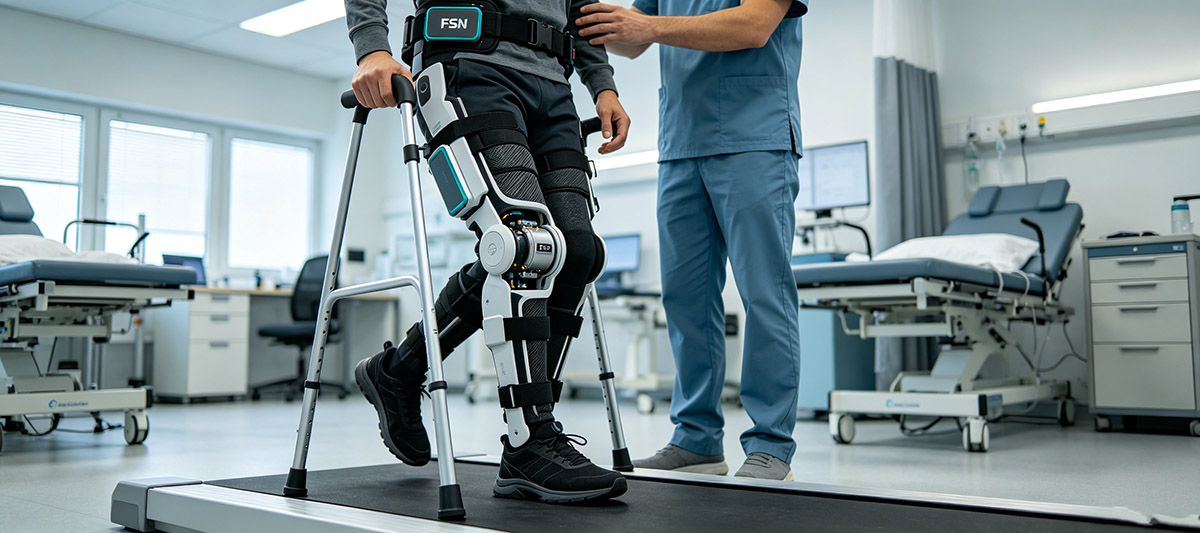
Portable Medical Devices
Battery-powered surgical tools, wearable rehabilitation exoskeletons, and point-of-care diagnostic instruments. FSN’s weight reduction directly extends battery runtime and reduces user fatigue.
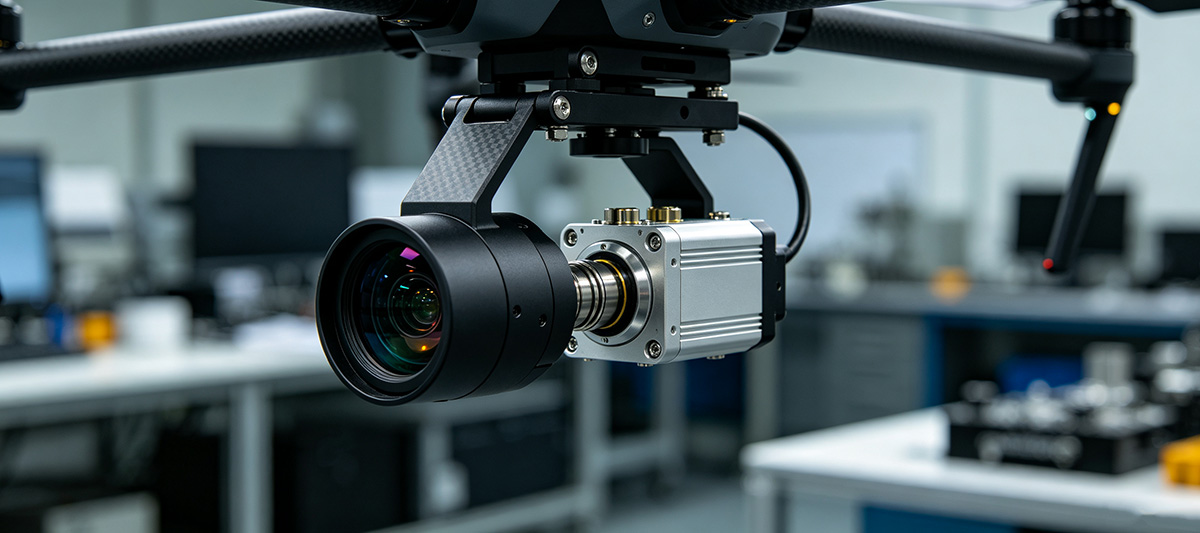
Articulated Camera Gimbals
Broadcast camera heads, drone sensor turrets, and surveillance pan-tilt units. Low reducer mass improves stabilization bandwidth and reduces motor sizing for the gimbal axes.
Spec Overview
| Parameter | FHT (Hat Type) | FSN (Cup Type Lightweight) |
| Architecture | Hat‑type, brim flange | Cup‑type, thin‑wall |
| Hollow Bore | Yes, large diameter | No |
| Weight | Standard | -30% vs standard cup‑type |
| Torque | Per spec table | Same as standard at size |
| Backlash | ≤20 arc sec | ≤20 arc sec |
| Mounting | Based on the customer’s situation | Standard flange mount |
| Integration | Unit‑type, sealed | Unit‑type, sealed |
Note: Full size, ratio, and torque specifications on individual sub-model pages.
Applications
Surgical Robotics: FHT hat-type units in laparoscopic and endoscopic robot wrists, where the hollow bore routes camera cables and irrigation lines internally, and the brim flange provides a sterile, direct-mount interface to the instrument drive.
Optical Positioning: Laser beam steering mirrors, interferometer rotation stages, and telescope tracking mounts. The FHT through-bore allows the optical path to pass through the reducer center without folding mirrors or periscope optics.
Desktop Automation: Benchtop pick-and-place, micro-dispensing, and lab automation. The Mini Series’ compact diameter fits within the envelope of desktop workcells that cannot accommodate full-size industrial reducers.
Portable Medical Devices: Battery-powered surgical tools, wearable rehabilitation exoskeletons, and point-of-care diagnostic instruments. FSN’s weight reduction directly extends battery runtime and reduces user fatigue.
Articulated Camera Gimbals: Broadcast camera heads, drone sensor turrets, and surveillance pan-tilt units. Low reducer mass improves stabilization bandwidth and reduces motor sizing for the gimbal axes.
Frequently Asked Questions
Start Your Project
Building compact or desktop systems? Share your size, torque and speed targets. Response within 24 hours.