Comparing harmonic drive technology with other precision gearboxes
Compare harmonic drive vs planetary gearboxes on backlash, precision, torque, ratio, size, and speed. Choose the right precision gearbox for your motion control application.
 May 01, 2026
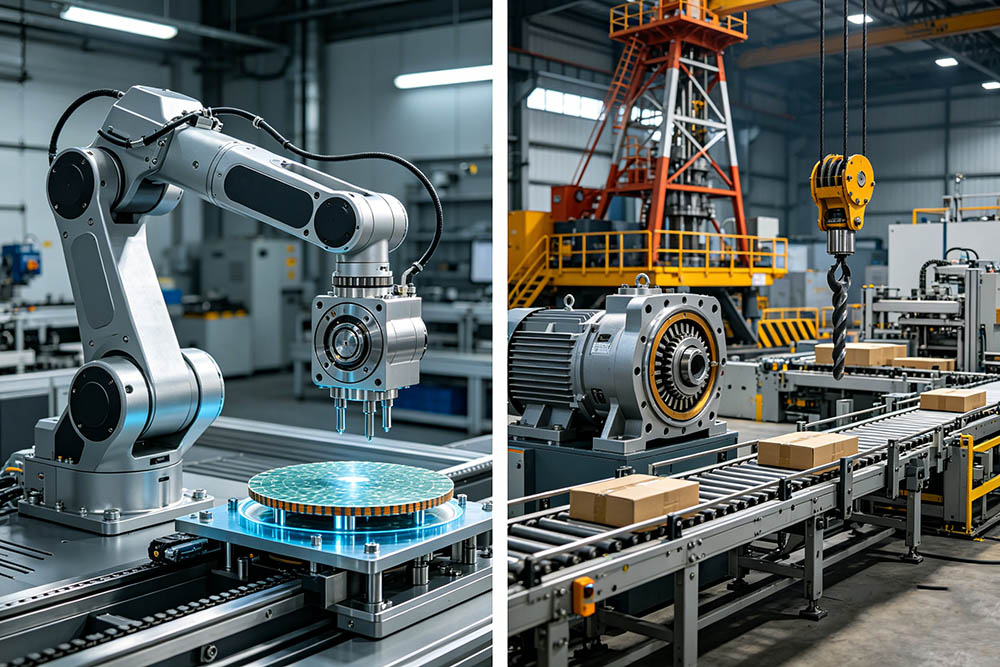

When comparing harmonic drive technology with other precision gearboxes like planetary drives, the decision revolves around your primary mechanical constraints. Harmonic drives offer absolute zero backlash, massive single stage reduction ratios, and an incredibly compact footprint.
These traits make them perfect for highly precise robotic joints and aerospace components. In contrast, planetary gearboxes excel in handling massive torque capacities, high continuous speeds, and heavy shock loads. Your choice ultimately depends on whether your system prioritizes flawless positioning accuracy or raw mechanical power.
The Engineering Dilemma in Motion Control
Choosing the right mechanical transmission for an automated system is one of the most critical decisions an engineer will make. The gearbox you select directly dictates the accuracy, speed, and lifespan of your entire machine.
In the realm of high precision servo applications, engineers are typically forced to choose between two dominant technologies. They must weigh the benefits of harmonic drive technology against traditional rigid setups like planetary gearboxes.
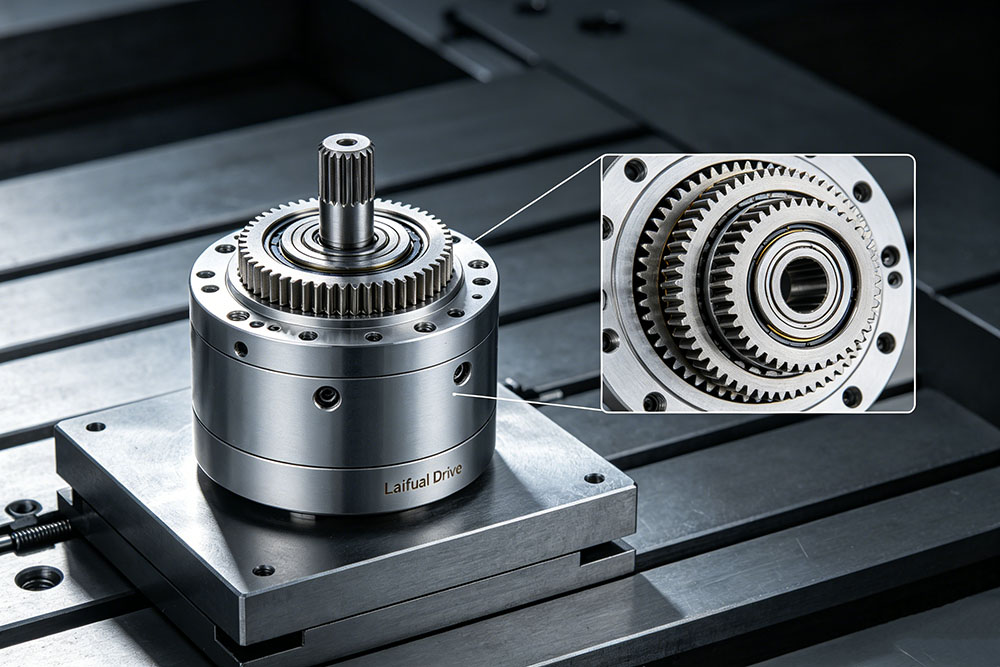
Both systems are designed to reduce motor speed and multiply torque. However, they achieve this goal using fundamentally different mechanical principles. To build a highly optimized machine, you must deeply understand the performance tradeoffs between these automated gearboxes.
Let us break down how strain wave gearing compares to other precision motion control solutions across every major performance metric.
Understanding the Mechanical Differences
Before comparing performance data, we must look at how these two technologies operate under the hood.
The Flexible Approach of Harmonic Drives
Harmonic reducers utilize a unique strain wave mechanism. An elliptical wave generator forces a flexible metal cup known as a flexspline to expand outward.
The external teeth of this flexible cup mesh with the internal teeth of a rigid outer ring. Because the system relies on continuous elastic deformation, roughly thirty percent of the gear teeth are engaged at the exact same time.
The Rigid Architecture of Planetary Gearboxes
Planetary gearboxes rely on pure structural rigidity. A central sun gear is driven by the motor. This sun gear drives multiple planet gears that rotate around it. These planet gears are held by a carrier and mesh with a static outer ring gear.
All components are machined from solid hardened steel. Only a very small number of teeth are engaged at any given moment, but those teeth are extremely thick and robust.
Performance Comparison: Precision and Power
When analyzing automated gearbox reports and industry data, four distinct performance categories emerge. Here is how harmonic technology compares to planetary setups in the field.
Precision and Backlash Elimination
If your application demands flawless positioning, harmonic drives are the undisputed winner. Traditional planetary gearboxes require a tiny amount of clearance between the rigid gear teeth so they can slide past each other without jamming.
This clearance creates backlash. High end planetary drives can reduce this backlash to a single arc minute, but they can never eliminate it entirely.
Harmonic drives achieve true zero backlash. Because the teeth are pushed radially into the outer ring and preloaded, there is absolutely no mechanical clearance. This creates an unparalleled level of precision and repeatability.
Torque Capacity and Rigidity
When it comes to handling brutal shock loads and transmitting massive amounts of raw power, planetary gearboxes take the lead. The rigid interlocking teeth of a planetary system can absorb sudden impacts and heavy radial loads without deforming.
While harmonic drives produce excellent torque for their size, their flexible inner cup has strict physical limits. If a shock load exceeds the rated peak torque, the flexible spline can suffer from ratcheting or permanent structural fatigue. Therefore, planetary gears remain the standard for heavy duty industrial stamping and massive material handling systems.
Gear Reduction Ratios and Footprint
Engineers constantly fight to make their machines smaller and lighter. Harmonic reducers provide a massive advantage in spatial efficiency. They can achieve incredible reduction ratios ranging from thirty to one up to three hundred to one in a single mechanical stage.
To achieve a one hundred to one reduction ratio with a planetary gearbox, you must stack multiple gear stages together. This significantly increases the length, weight, and mechanical complexity of the drive. For applications where weight and physical space are highly restricted, harmonic technology is the only viable choice.
Speed and Thermal Efficiency
Friction is a major factor in continuous motion profiles. Because planetary gearboxes use rolling and sliding rigid gears with proper clearance, they generate less friction at high speeds. They can operate continuously at thousands of revolutions per minute without severely overheating.
Harmonic drives involve continuous flexing of metal and tight preloaded tooth engagement. This creates more internal friction. While they perform flawlessly in start and stop positioning tasks, they are generally not recommended for continuous high speed rotation due to thermal buildup.
Direct Comparison Matrix
| Performance Metric | Harmonic Drive Technology | Precision Planetary Gearbox |
| Backlash Level | Zero backlash | Low backlash (1 to 3 arc minutes) |
| Precision & Repeatability | Exceptional (measured in arc seconds) | Excellent (measured in arc minutes) |
| Single Stage Ratios | Extremely High (up to 320:1) | Limited (typically up to 10:1) |
| Physical Footprint | Highly compact and lightweight | Larger and heavier for high ratios |
| Torque Capacity | Moderate to High | Extremely High |
| Shock Load Tolerance | Sensitive to massive torque spikes | Highly robust against impacts |
| Continuous Input Speed | Lower (due to internal friction and heat) | Higher (excellent thermal efficiency) |
Selecting the Right Gearbox for Your Application
Understanding the data is only half the battle. You must apply these metrics to your specific industry environment.
When to Choose Harmonic Technology
You should specify harmonic reducers when accuracy and space constraints override all other concerns. Six axis robotic arms rely heavily on this technology because the drives are light enough to be mounted inside the robotic joints without weighing down the arm.
They are also the standard choice for aerospace tracking antennas, semiconductor wafer handling robots, and precision medical imaging equipment.
When to Choose Planetary Technology
You should opt for a planetary gearbox when building heavy industrial machinery. If you are designing a high speed packaging conveyor, a large automated guided vehicle, or a heavy duty drilling rig, the planetary drive will provide the rugged durability and continuous speed rating your system requires.
Final Thoughts on Precision Engineering
There is no single perfect gearbox for every automated system. Comparing harmonic drive technology with other precision gearboxes reveals that engineering is always a matter of calculated compromise.
If your design requires the absolute highest level of positioning accuracy, zero mechanical play, and a highly streamlined footprint, strain wave technology remains the premium choice.
For engineering teams looking to upgrade their servo systems with ultra precise motion control components, consulting with industry experts is highly recommended. You can explore a wide range of advanced solutions by visiting Laifual Drive to find the perfect transmission for your next automated project.